Uriah Heep Newcastle City Hall 30th Nov 1977
 Support from Fury.
Uriah Heep were on a roll, and released their next “Innocent Victim” shortly after “Firefly”. 1977 was a very successful year for the band. The single “Free Me” was a big international hit (making it to No. 1 in New Zealand), and in Germany “Innocent Victim” sold over a million copies and became Uriah Heep’s most successful, and the rereleased single “Lady in Black” was a big hit. Although “Lady in Black” originates from the early days of the band, having originally been released in 1971, it didn’t feature regularly in their live set until 1977. Written by Ken Hensley, and featuring him on vocals and acoustic guitar, it’s a classic Heep song, with its tale of the mysterious lady and of battles of old. 
I saw Uriah Heep for the third time in November 1977 at Newcastle City Hall. Support came from rock band Fury. It was another great gig. Uriah Heep remained an excellent live act throughout this period, and would play many of their classic tracks.
A typical Uriah Heep concert in late 1977 would probably contain the following songs: Do You Know; Stealin’; Look At Yourself; Lady In Black; The Wizard; July Morning; Sympathy; Who Needs Me; Easy Livin’; Gypsy; Sweet Lorraine)
“She came to me one morning, one lonely Sunday morning,
Her long hair flowing in the mid-winter wind.
I know not how she found me, for in darkness I was walking,
And destruction lay around me from a fight I could not win.”
(Lady in Black, Ken Hensley, 1971)
Posts Tagged ‘classic rock’
8 Dec
Uriah Heep Newcastle City Hall 30th Nov 1977
7 Dec
Rough Diamond (David Byron) Sunderland Polytechnic Wearmouth Hall 1977
Rough Diamond Sunderland Polytechnic Wearmouth Hall 1977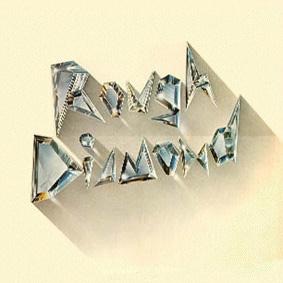
I’m going to take a side-step out of my Uriah Heep bloggings to say a little more about their great first vocalist David Byron.
In 1977, after leaving Uriah Heep, Byron formed a new band Rough Diamond along with former Humble Pie guitarist Clem Clempson and ex-Wings drummer Geoff Britton. The remaining members were Willie Bath (bass) and Damon Butcher (keyboards). Rough Diamond were hailed as a new “supergroup” by the Melody Maker, who featured them on their front cover. They recorded one album and toured the USA, opening for Peter Frampton. The album was not a big success, peaking at No. 103 in the US charts. Rough Diamond also played a small number of UK dates, one of which was at Sunderland Polytechnic’s Wearmouth Hall.
I was quite excited at the prospect of seeing David Byron again, and had also seen Clempson with Humble Pie and knew that he was an excellent guitarist. I figured Wearmouth Hall would be packed with Heep fans, particularly as the concert was one of a handful of gigs, and if I remember correctly, the only one in the north of England. So I persuaded Marie that we had to go along early, to make sure that we got in. How wrong I was. When we arrived the place was empty, and by the time Rough Diamond took to the stage, it still wasn’t very full; there were probably 100 or so people there. It’s always seems a bit strange seeing “name” acts in smaller halls. They tend to bring massive set-ups, and fill the hall with equipment and sound. Seeing Rough Diamond was a bit like that. The stage was set with a massive back line of brand new looking amps; it seemed that someone was investing heavily in the new “supergroup”. They were also incredibly loud, ear-splittingly so (which was just great 🙂 one more band to include in my lawsuit for rock fan deafness ). The concert was interesting, in that all the individual elements were in place, but yet they was something missing. David Byron was in excellent voice, and delivered a great performance for the small crowd, and Clem Clempson, as expected, played some excellent rock/blues. The rest of the band were fine. The set consisted of songs from their new album. I don’t recall if any Heep songs were played, although something in the back of mind tells me that they may have played “Sweet Lorraine” and a cover of Free’s “The Hunter”. I remember one slower rock ballad “Sea Songs” as being a highlight. The songs were ok, and it was a good gig, but not exceptional. Often such “supergroups” don’t live up to their promise, the result does not match the sum of the parts. Makes me think of when I saw Paul Rodgers and Jimmy Page in The Firm; they both performed great, but overall I left a little underwhelmed. Still it was a great opportunity to see David Byron again, and in such a small venue.
Rough Diamond split shortly afterwards. They were together for less than one year. David Byron went on to form his own band. Reports suggest that Mick Box and Trevor Bolder invited Byron to re-join Uriah Heep in 1981, after Ken Hensley left (it was Hensley who insisted on Byron’s dismissal), but Byron refused.
David Byron passed away on Thursday, 28 February 1985 as a result of alcohol problems and liver disease. He was 38 years old. Subsequently in concert, Uriah Heep would often dedicate “The Wizard” to him.
I like to remember David Byron when he was at his best, fronting Uriah Heep, standing magnificent and proud, stage centre, surrounded by dry ice, singing “July Morning”, his voice clear, powerful, and sweet. We will never experience his like again.
6 Dec
Uriah Heep Newcastle City Hall 9th March 1977
Uriah Heep Newcastle City Hall 9th March 1977
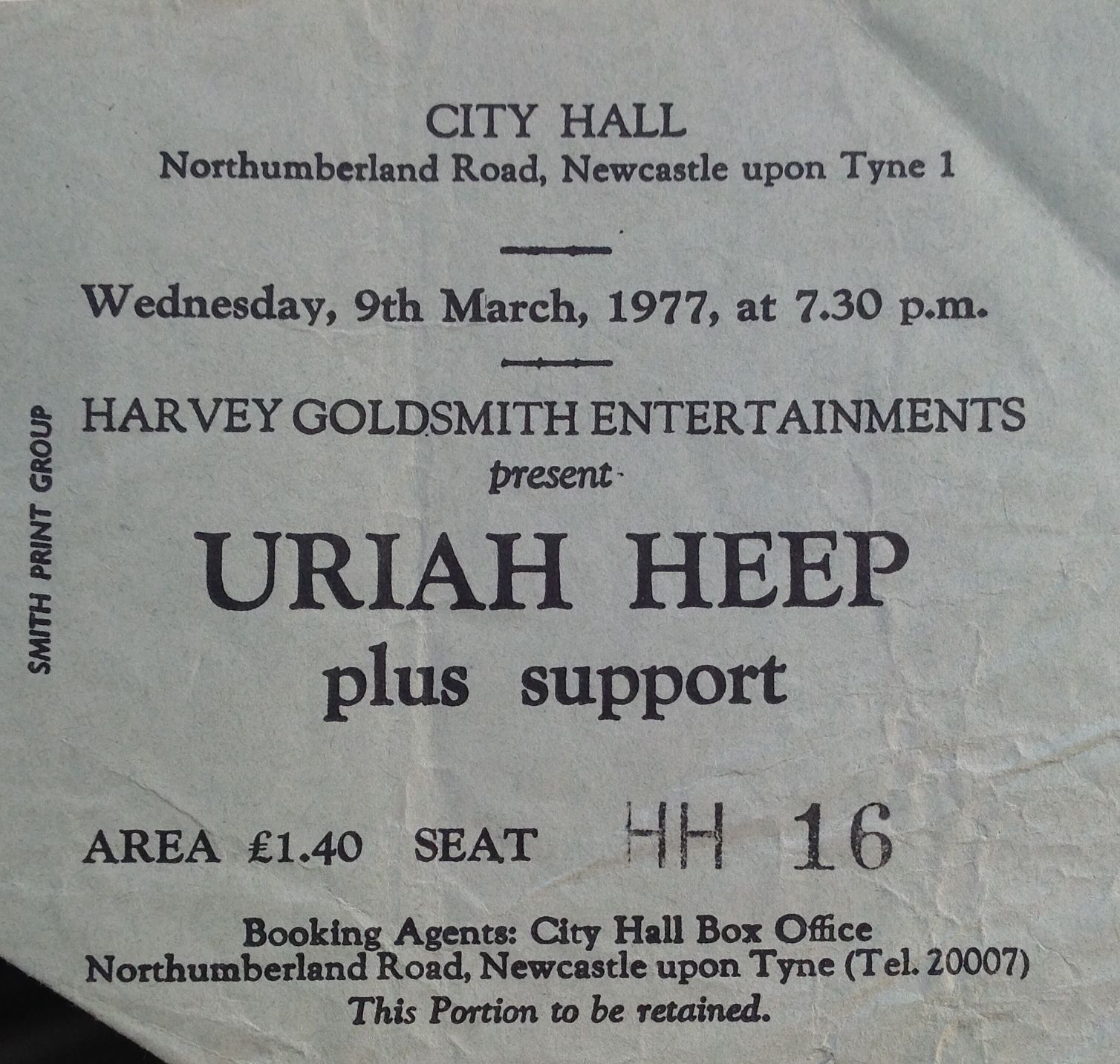 Support Woody Woodmansey’s U Boat
1977 saw a new revitalised Uriah Heep and the release of their 10th album “Firefly”. David Byron had been sacked from the band, and John Wetton also left, their replacements being John Lawton and Trevor Bolder (ex David Bowie and the Spiders from Mars) respectively. My mates and I couldn’t wait to see how the new line-up shaped up, so we went along to see them at the first opportunity we got, which was at Newcastle City Hall in March 1977. The tour programme has a pretty honest account of how Ken Hensley (who seemed to take the role of leader at the time) recognised the need for change in the band, and without explicitly naming names, how he instigated the necessary changes. Major changes like this in the line-up are interesting, and risky times for a band. Sometimes it works, sometimes not. Sometimes it gives a band such a boost, such a refresh, and a need to come back fighting, that it transforms them. I saw that happen with Purple when they exploded back with Coverdale, and Genesis when they came back strong post-Gabriel. And it isn’t just about how well the new guy can sing. It’s about the whole package, the image, the look, the performance, and how well the new guy gets on with the rest of the band, and whether they “fit”. Well something (almost) like that happened with Uriah Heep. They knew that the fans and critics were watching them and that the new tour could make or break the band, and they pulled out all the stops. In some John Lawton didn’t look quite right. He looked like a cross between a club singer and a straight rocker, with his open neck shirt and leather trousers. Mick Box: “Image-wise he wasn’t quite what we were looking for, but his pipes were perfect and so we went for the music end of it.” Ken Hensley: “He had a voice that I thought would give a new dimension.” Lawton had a great voice, which suited Heep. And Trevor Bolder was already known and also seemed to fit the band live. All seemed good. “Firefly” isn’t their greatest album, but it is ok, and their live set contained all the classics, including Lady in Black and the Wizard, both of which weren’t often played in the early 70s. Great stuff. Heep were back.
Support came from Trevor Bolder’s fellow ex-Spider, and Bowie sideman, Woody Woodmansey and his new band U Boat.
SetList (something like): Do You Know; Stealin’; Look At Yourself; Lady In Black; The Wizard; July Morning; Firefly; Sympathy; Who Needs Me; Easy Livin’; Gypsy; Sweet Lorraine
The next time I saw Uriah Heep was at the Reading Festival in August 1977, when they played third on the Friday night bill before Eddie and the Hot Rods and Golden Earring. They were then back at the City Hall again in November 1977, so I got hree helpings of Heep in one year; happy days.
5 Dec
Peter Gabriel Newcastle Arena 4th Dec 2014
Peter Gabriel Newcastle Arena 4th Dec 2014
 Peter Gabriel is currently on tour to celebrate the 25th anniversary of his album “So”. The show sees Gabriel reuniting with members of his old band line-up, and last night it called at Newcastle Arena. The show started with Peter walking on stage unannounced to introduce the opening act Jennie Abrahamson and Linnea Olsson who played a few songs to an attentive audience. Jennie plays keyboard and Linnea cello, and they each sang one or two of their own songs, which were all pretty good. They both also featured as vocalists in Gabriel’s band. After a very short break, Peter Gabriel and band took to the stage, Peter seated at a piano. He explained that the concert would be in three parts: an acoustic “starter”, followed by a more electronic and adventurous “main course” and followed by the desert, which would be “So” in its entirety.
For the short acoustic set the house lights were left on, and the set included a great version of “Shock the Monkey”. The “main course” was much darker in presentation and content. The house lights dropped and tall robotic lighting rigs were wheeled around the stage, on what looked like a small train line which encircled the band, sending white beams across the crowd. The songs were much rockier, with sharp riffs and electronic funk, and Gabriel parading around the stage, side-stepping in a jerky dance.  I’d almost forgotten what a showman this guy is. Peter and the band must have had cameras fixed to their instruments, and in Peter’s case to his mike, as scary, huge, close-up black and white images of the band’s faces were displayed on the screens around the stage. It was great to hear Gabriel’s 1977 hit “Solsbury Hill” again, reminding me of when he first went solo, and his magnificent shows at the City Hall during that period.
The desert of “So” was delivered next, starting with bright scarlet lights enveloping the stage for “Red Rain”. Highlights of this set for me were the well known songs: “Sledgehammer” and “Don’t Give Up”, which featured Jennie Abrahamson taking Kate Bush’s vocal part, and doing an excellent job. It seems to be the “thing” for bands to perform one of their albums in their entirety. At first I thought this was a goo idea, but now I’m beginning to wonder. Even the best albums have a few tracks that either aren’t so good or have been forgotten. I am beginning to think I would prefer to see a band play a set which draws from the best songs across a spread of albums. Having said that; it was really good to see Peter Gabriel again, it has been a good few years since he last played in Newcastle; an enjoyable concert.
Starter: What Lies Ahead; Come Talk to Me; Shock the Monkey; Family Snapshot
Main course; Digging in the Dirt; Secret World; Darkness; No Self Control; Solsbury Hill; Why Don’t You Show Yourself
Dessert (So): Red Rain; Sledgehammer; Don’t Give Up; That Voice Again; Mercy Street; Big Time; We Do What We’re Told (Milgram’s 37); This Is the Picture (Excellent Birds); In Your Eyes
Encore: The Tower That Ate People; Biko
Band line-up: Peter Gabriel: vocals, keyboards; Tony Levin: bass; David Rhodes: guitars; David Sancious: keyboards; Manu Katché: drums; Jennie Abrahamson: vocals; Linnea Olsson: vocals.
4 Dec
Uriah Heep Newcastle City Hall 25th Nov 1975
Uriah Heep Newcastle City Hall 25th Nov 1975
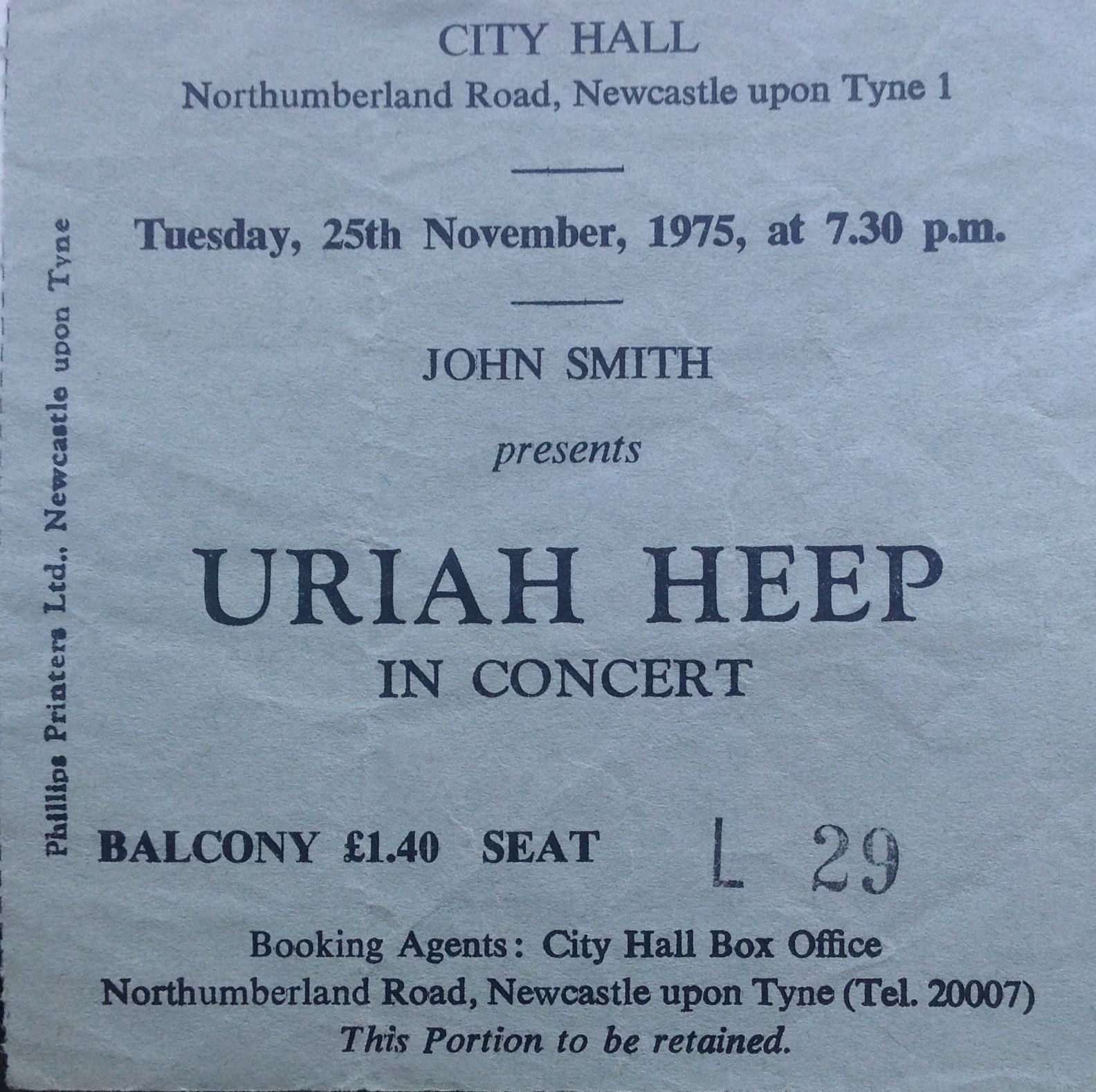 Support from Tim Rose?
By 1975 Uriah Heep were massively successful. John Wetton had replaced Gary Thain on bass, and the band recorded their 8th studio album “Return to Fantasy” which was seen by critics and fans alike as a return to form after the “Wonderwall” lp. They also released a “Best of Uriah Heep” compilation album which sold well. Heep embarked on a major world tour to promote “Return to Fantasy” and “Best of”. Mick Box: “we played to over one million people and travelled over 300,000 air miles; this was, once again, a very exciting time.” I saw the band at the City Hall in November 1975. This was another great gig, classic Uriah Heep, but it would be the last time that I saw the band with the great David Byron. According to the Uriah Heep website the support act for the tour was Tim Rose, who had recorded “Come Away Melinda” as covered by Heep on their first album, and was also responsible for the great song “Morning Dew”. As is often the case, I have no recollection of seeing him, perhaps I was in the City Hall bar? I suspect I would have watched Tim Rose’s set as both of the songs I mention are big favourites of mine. David Byron had by now gained a reputation for hard drinking, and this was starting to effect his performance in the band. It eventually led to him being sacked from Uriah Heep at the end of a Spanish tour in July 1976. Ken Hensley said: “David was one of those classic people who couldn’t face up to the fact that things were wrong and he looked for solace in a bottle”. Heep’s manager Gerry Bron said Byron’s dismissal was in “the best interest of the group”.
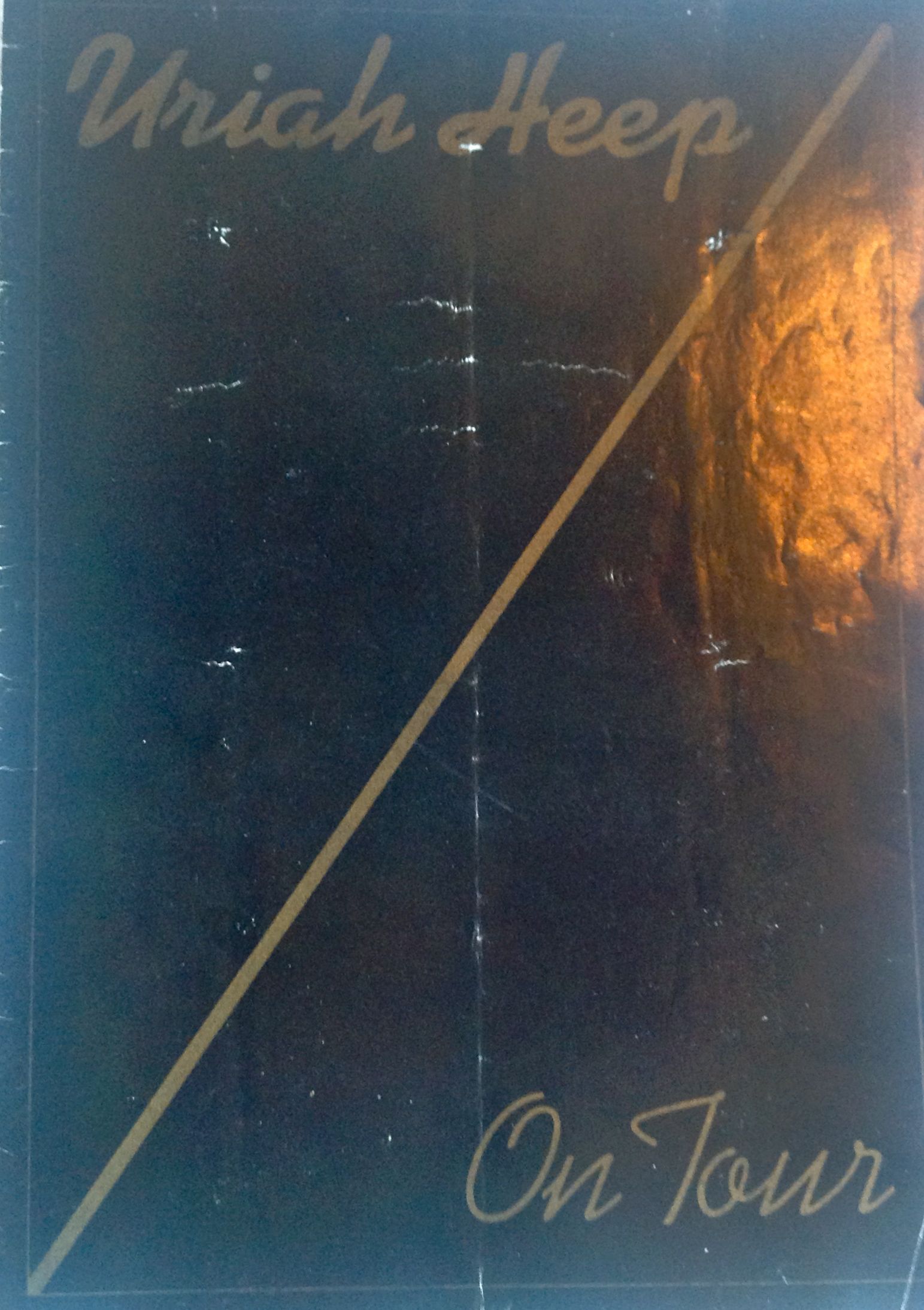 I saw David Byron once more a couple of years later, when he was a member of Rough Diamond, a band he formed with Colosseum / Humble Pie guitarist Clem Clempson and former Wings drummer Geoff Britton. I’ll write about that gig in a day or so, as part of my coverage of Heepsters.
It was also a couple of years later, in 1977, before I saw Uriah Heep again, and by then John Lawton was the vocalist. Uriah Heep did, I think, play Newcastle in 1976 but for some reason I must have missed that gig (missed opportunities like that annoy me now….too many regrets of missed his 🙂 )
For me, Uriah Heep were truly at their peak as a live act during 1973 and 1974. The best way to remind myself of those glorious live gigs is to play my scratched vinyl copy of their double lp “Uriah Heep Live”, hold that gatefold sleeve in my hands and look through the lavish photo booklet that forms the centre of the album. It never fails to take me back. I am immediately transported to the crush in the front stalls of the City Hall. My ears are ringing, Mick Box is smiling, Ken Hensley is rocking back and forth at his Hammond, and Dave Byron is singing “Julie Morning” or “Gypsy”….or “Sunrise”. Magic. Now a CD can’t do that; sorry. Happy happy days.
Setlist something like: Devil’s Daughter; Stealin’; Suicidal Man; Shady Lady; Prima Donna; Rainbow Demon; July Morning; Return To Fantasy; Easy Livin’; Sweet Lorraine; Gypsy; Bird Of Prey; Love Machine; Look At Yourself
3 Dec
Uriah Heep Newcastle City Hall 21st Nov 1973 & 17th Oct 1974
Uriah Heep Newcastle City Hall 21st Nov 1973 & 17th Oct 1974
The strange little black blob pictured here is a prized plectrum that I was lucky enough to catch at a Uriah Heep gig in the early ’70s. It was thrown to me by Mick Box, and I was so excited when I caught it. It is a small black plastic Hofner pleccie and was well worn when I got it, so it had obviously been used quite a bit by Mick. I have used it myself a few times and found it quite hard and chunky; great for riffs. I would try and play “Gyspy” in the hope that it would somehow transform my playing into that of Mick Box, but sadly it didn’t quite work out. I couldn’t get the same tone or power. Still it’s nice to have it, and frightening to think that 40 or so years have passed since Mick threw it from the stage of the City Hall.
We would always try and get down to the front at Heep gigs. When Uriah Heep came on stage there was always a rush for the front. They would usually start with a favourite, perhaps “Easy Livin'” or “Stealin'” and it would be loud and rocking. There would be a massive crush at the front of the stage and Dave Byron and Mick Box would both play to the crowd. Mick would have a massive grin on his face. He would do a series of strange hand gestures, lifting one arm above his head and wiggling his fingers as a magician would do, pointing towards the strings of his guitar, as if he was magically controlling it and playing it from a distance, just like one of the wizards that they would sing about. Mick in an interview: “The hand movements came about when I play a left hand trill in the old days and we were only playing clubs, and everybody could see it to be clever. When we first went to the USA and supported Three Dog Night playing 10.000-20.000 seaters I waved my arm in the air so that all and sundry could see.” Sometimes Mick would lift his guitar above his head, or hold it out in front of himself, and let those down front strum the strings. Pure magic. I remember reading somewhere that David Byron was the ultimate rock front man, and that ain’t far wrong. Ken Hensley: “David was the communication point, the focal point of the whole group’s stage presentation. He had so much charisma, so much ability.” His vocals were amazing and his stage presence, charisma, ego and attitude were all so much larger than life. Dave Byron knew that he was a star. How could he be anything else? I can picture him now, wearing satin flares, one foot on the monitor, leaning over towards us all, hands outstretched. He was singing directly to us. Byron: “I see myself as more than just a vocalist. I have a definite job in tying the band together visually. It stands to reason that the spotlights will be on me most of the time because I’m the front man, so by moving around I can involve everyone. I take singing very much to heart, and I try to use my voice as an instrument.”
 All around us down at the front of the stage were fans going absolutely crazy. I would usually stand and watch but many of the people beside me were totally manic. It was called “idiot dancing” at the time. A definition of “idiot dancing”: “a style of frenzied, abandoned dancing on the spot (invariably consisting of writhing hand and arm movements and shaking of the head) to rock music, particularly the ‘psychedelic’ style (a precursor of heavy metal) of the late 1960s. By the mid-1970s it had mutated into the less picturesque headbanging.” I notice from my tickets for Heep gigs in late 1973 and 1974 that my seat was halfway back in the stalls, or in the balcony. But by the end of the show I swear I was in the crush near to the stage.
Support for the 1974 tour was the mighty Heavy Metal Kids. Imagine it: Gary Holton and Dave Byron on the same stage in one night. Mayhem! The setlist was probably something like this: Easy Livin’; Sweet Lorraine; Stealin’; July Morning; Dreamer; If I Had The Time; Gypsy; Seven Stars; Sweet Freedom; Look At Yourself; Love Machine; Rock ‘n’ Roll Medley
 According to the Uriah Heep website the support act for the 1974 tour was Peter Frampton. Now I have no recollection of seeing Frampton with Uriah Heep, but hey who knows, the City Hall bar (or the City Vaults) may well have been calling me. If it was Frampton, this was at the time of his third solo album “Somethin’s Happening” and he will have played songs like “Its a Plain Shame”, “Lines on my Face” and “Doobie Wah”. A typical setlist for Uriah Heep in 1974 was: Stealin’; Suicidal Man; Something Or Nothing; Wonderworld; Sweet Freedom; I Won’t Mind; July Morning; Easy Livin’; Sweet Lorraine; Little Piece Of Leather; Look At Yourself; Gypsy; Love Machine; Rock ‘n’ Roll Medley
Bass player Gary Thain suffered an electric shock at a concert in Dallas, Texas on 15 September 1974, and was seriously injured. He was also suffering from a drug habit which was affecting his performance, and he was fired by the band in early 1975. He was replaced by former King Crimson bassist John Wetton. Thain passed away as a result of a heroin overdose, on 8 December 1975 at his London flat. He was just aged 27.
Gary Thain had a unique, and very intense bass style. He would play without a plectrum, preferring to use his fingers, and would put his entire body into the performance. I first saw him play in the Keef Hartley band, and remember being impressed by him then. He was undoubtedly a very important part of the classic Uriah Heep line-up. In just three years Gary Thain participated in over 400 live performances all over the world with Uriah Heep.
This was the end of the classic line-up, but there were still many more great concerts to come.
More Heeping tomorrow.
2 Dec
Uriah Heep Newcastle City Hall 19th Jan 1973
Uriah Heep Newcastle City Hall 19th Jan 1973
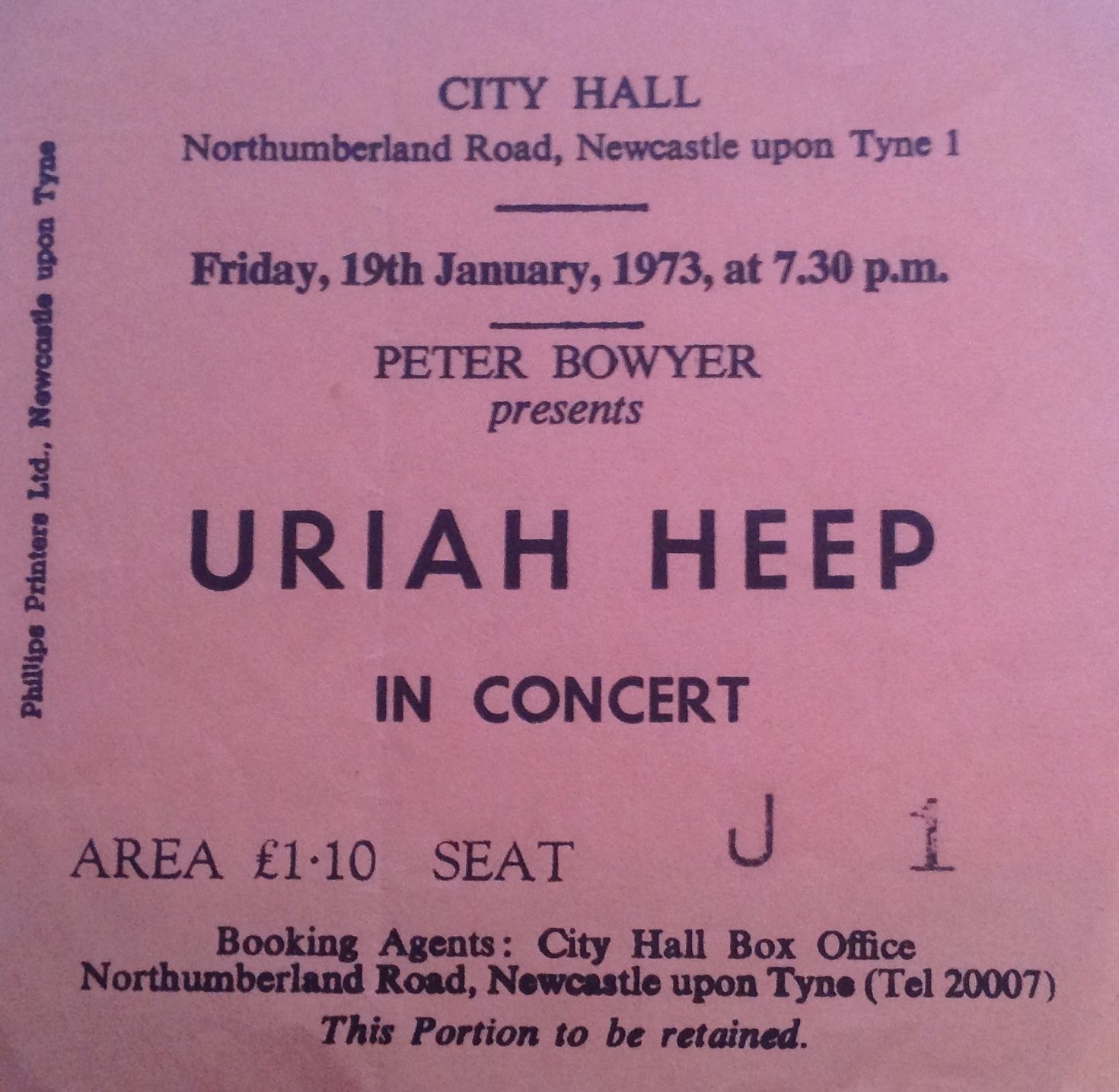 Support was from Nick Pickett, who was a folk singer on the Vertigo label.
They started out as the band the critics loved to hate. A reviewer for Rolling Stone magazine even promised to commit suicide “if this band makes it” (bet he didn’t 🙂 ). But those of us who were fans understood. We knew that Uriah Heep were one of the classic rock acts of the 70s. Easily up there with Zeppelin, Purple and Sabbath.
The classic Heep line-up existed between 1972 and 1975 and was Mick Box (guitar), David Byron (vocals), Ken Hensley (keyboards), Lee Kerslake (drums) and Gary Thain (bass).
One of my mates had their first album “..Very ‘Eavy …Very ‘Umble” and we would gather in his house listening to the raw primitive riff of Gypsy and the spooky twisting tale of Come Away Melinda (which was my favourite). “Play ‘Gypsy again’.” Onto the turntable it would go, volume on full, needle down, again and again and again. And at the local Mecca, when “Gypsy” came screaming out of the speakers, the dance floor would fill with people playing air guitar and shaking their long hair around and around. “When I was only seventeen, I fell in love with a gypsy queen.” There remains something basic and primeval about that song; so simple and yet so powerful. But there was so much more to Uriah Heep; the imagery of “Demons and Wizards” (“he was the wizard of a thousand kings”), the dark folklore narrative of “Lady in Black”, the thundering, rock’n’roll of “Easy Livin'”, the majestic “Sunrise”, and that classic mirror lp cover of “Look At Yourself”. Then there was “July Morning”, Uriah Heep’s own “Stairway to Heaven”, which used dynamics, orchestral arrangements and narrative to take us to a different world; I could visualise Dave Byron standing on a warm summer morning, the sun breaking through; simply classic.
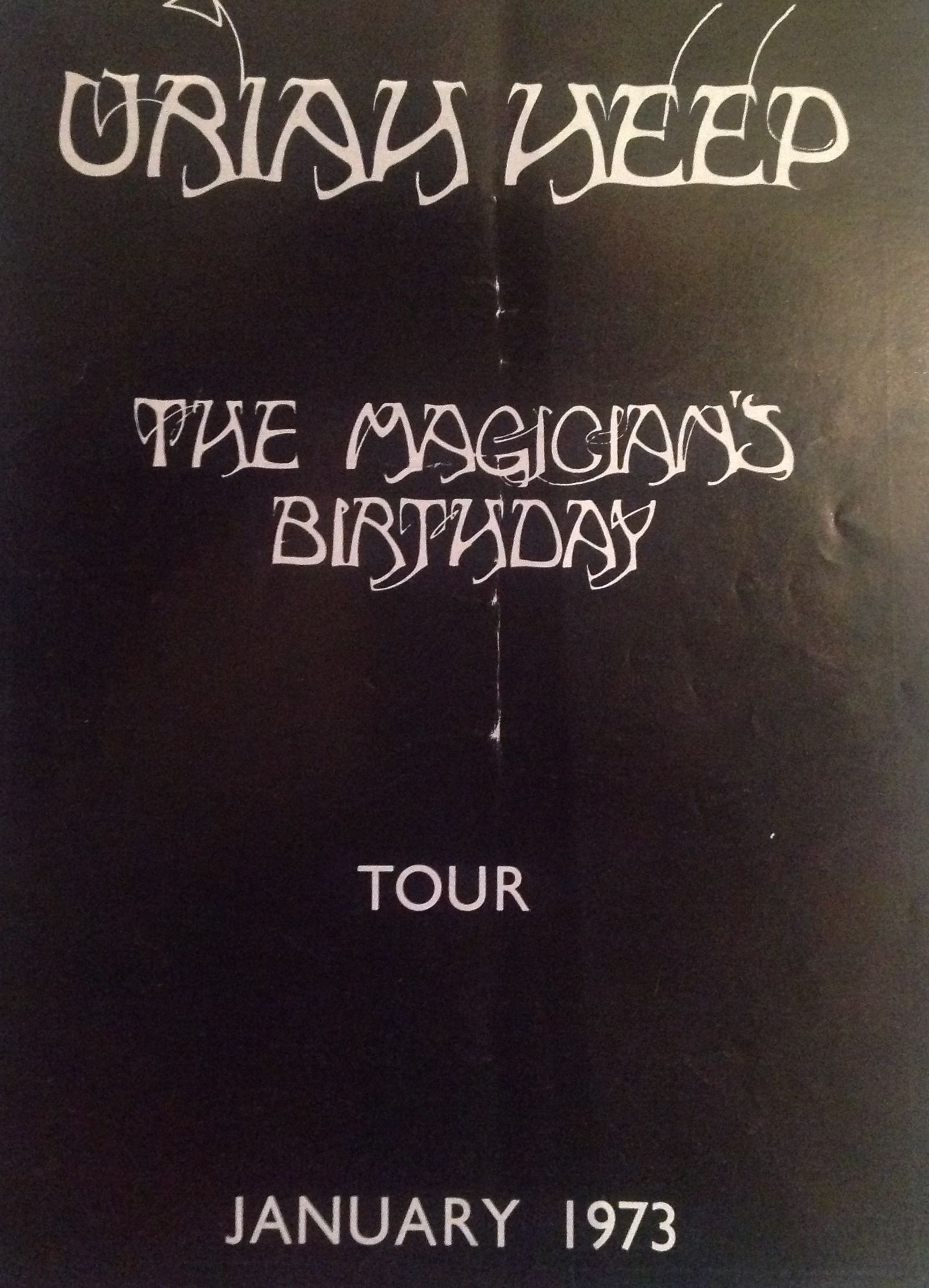 I got to see Uriah Heep for the first time in January 1973 on the “Magician’s Birthday” tour. I went along a semi-interested fan and came away 100% a convert. The performance was so powerful, the music so loud, and the songs so great, in every way. Dave Byron was the perfect rock vocalist, possessing an operatic voice with an incredible range, and had tremendous stage presence, commanding the audience to join in and become part of the show. Mick Box was, and remains, the unsung guitar hero, long hair and a massive grin stretching from ear to ear. Ken Hensley would rock back and forth pulling at his Hammond, a long mane of hair swaying behind him, creating sounds that blended 60s R’n’B swirl with deep Bach chords. Gary Thain was the silent, solid bass man, and Lee Kerslake was constant at the back, crashing away on the drums. And the volume. Uriah Heep understood that rock had to be LOUD, that feeling the music was just as important as hearing it. When they played ‘Easy Livin'”; the volume went up a notch, the bass notes hit me hard right in the chest, and I honestly feared I would never be able to hear again (can I sue a band for the state of my hearing today ?) The other important, distinctive and vital element of Uriah Heep in concert was the screaming harmonies. They were simply stunning live. Ok, I get that it’s not cool to say so (and I guess it’s not cool to use the word “cool” but who cares), but to a teenage kid in the stalls of the City Hall in 1973 Uriah Heep were just as good as Purple or Zeppelin or Sabbath.
I came out of the City Hall that night a big fan of Uriah Heep. I went to school the next day and bored everyone about how great they were. Oh and my ears were ringing for days after, but that was part of the fun, it reminded me that I had experienced a proper rock gig.
I’ve seen Uriah Heep another 17 or so times since. I’ve lost faith in them now and then, particularly as the line-ups changed over the years, and I’ve missed some of their tours, but I’ve always returned to them. I’m going to spend the next few days writing about Uriah Heep live (don’t worry, I’ll combine some gigs and have already reviewed some recent shows, so it won’t take me 17 days) and I will try to remind myself what made (and still makes) them so great and mighty.
Set List in Jan 1973: Sunrise; Sweet Lorraine; Traveller In Time; Easy Livin’; July Morning; Gypsy; Tears In My Eyes; Circle Of Hands; Look At Yourself; The Magician’s Birthday; Love Machine; Rock ‘n’ Roll Medley.
The above setlist is from the Birmingham gig of the tour, which was recorded for the classic Uriah Heep Live double lp. I also think they played Bird of Prey at Newcastle. I particularly remember Dave Byron announcing it as “Here is an old one, probably the last time we will play this” (it wasn’t 🙂 ) The rock’n’roll medley typically contained songs like: Roll Over Beethoven; Blue Suede Shoes; Mean Woman Blues; Hound Dog; At The Hop; Whole Lotta Shakin’ Goin’ On. And we all sang along. Happy happy days.
1 Dec
Ultravox Whitley Bay Ice Rink 4th Nov 1986
Ultravox Whitley Bay Ice Rink 4th Nov 1986
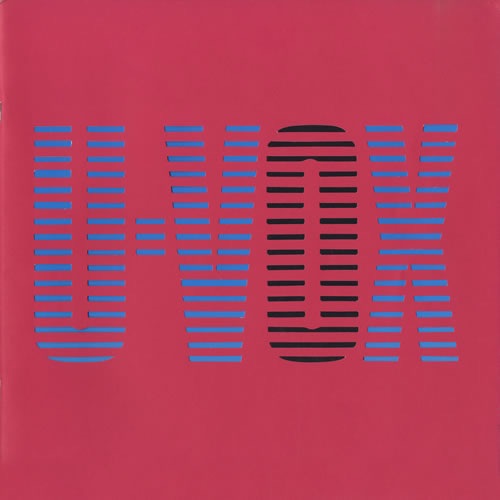
The U-Vox tour
 The tour was sponsored by Harp lager and support came from Zerra One.
U-Vox was Ultravox’s eight studio album and continued the movement to a straight rock and pop sound. The album was their least successful by most measures, and it was criticised by the media, the fans, and later by the band itself, Midge Ure declaring it “unfocused”. The band sacked their drummer Warren Cann, and replaced him with Mark Brzezicki from Big Country. The band embarked on a tour to promote the album, but it was the beginning of the end, and they split in 1988. The tour saw them playing in arenas; in the north east they played the cavernous, cold, Whitley Bay Ice Rink, which could accommodate more people than the City Hall, but was not by any means the best venue for a rock concert. The band moved away from large gothic stage sets, choosing to stage a more straightforward rock show this time around.
 SetList: Same Old Story; The Voice; New Europeans; Sweet Surrender; White China; Dream On; All in One Day; Time to Kill; All Stood Still; Hymn; Lament; Vienna; Passing Strangers; The Prize; One Small Day; Love’s Great Adventure
Encore: Dancing With Tears in My Eyes; All Fall Down
Writing this blog helps refresh my memory about the bands who I have seen in the past. Writing about Ultravox is a good example. I’d forgotten how many times I’d seen the band, and how much I enjoyed their music and their concerts. Both versions of the and were impressive in their own way. The first, John Foxx fronted, Ultravox! were very different to anyone else around at the time, and were a cool, dark, electronic synth band. I remember in particular their performance at Reading in 1978. And will also connect the later, Midge Ure fronted, Ultravox with “Vienna”, dry ice, and gothic stage sets. Happy days that I had put to the back of my mind and almost forgotten. Tomorrow I will start to write about a band who I remember very well, the mighty Uriah Heep. I’ll make my apologies now, it could be a bit of a marathon….
30 Nov
Ultravox Newcastle City Hall 19th May 1984
Ultravox Newcastle City Hall 19th May 1984
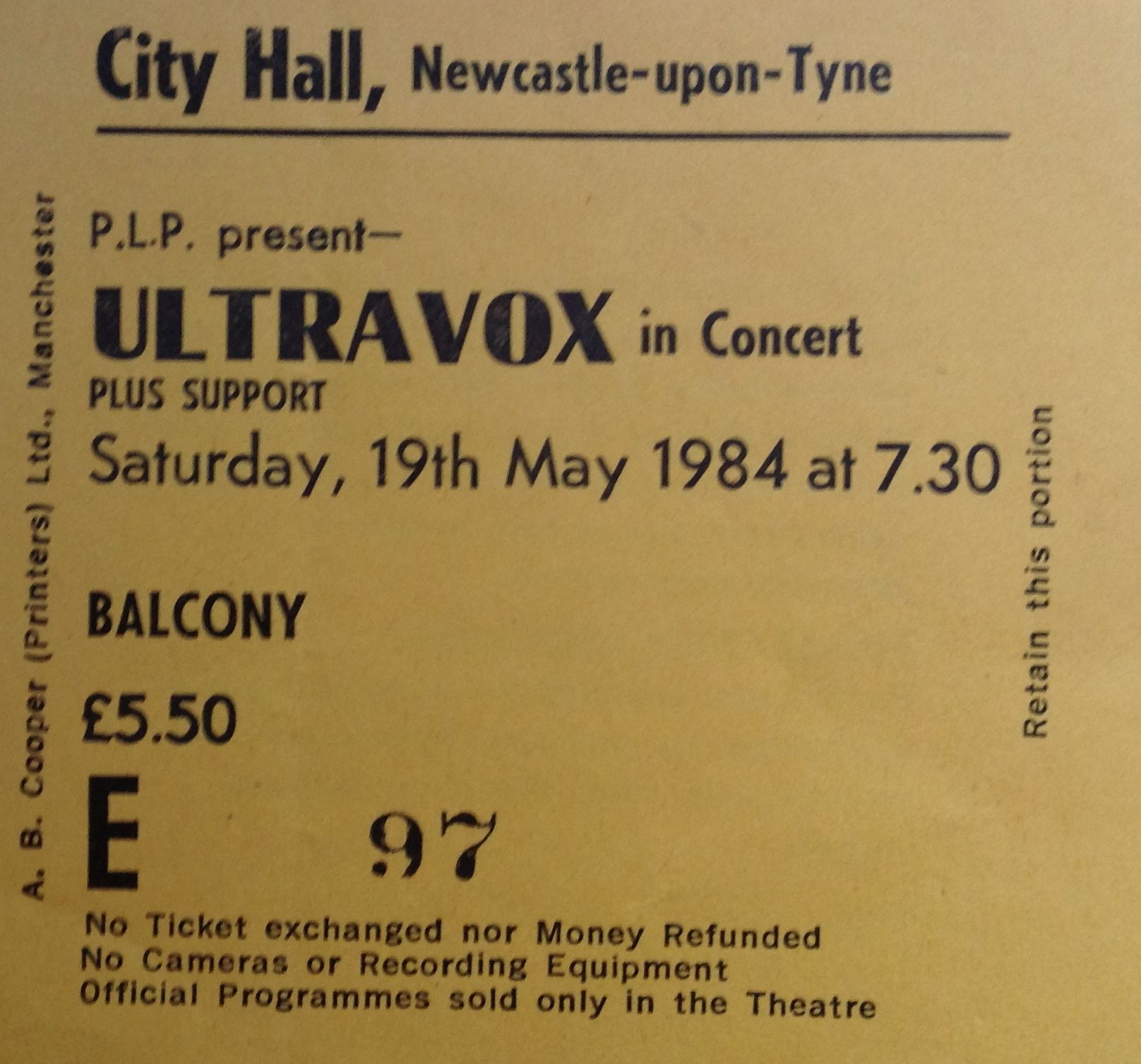 Support from Messengers
Ultravox’s 1984 tour was to promote “Lament” which is their seventh studio album. “Lament” was another big success, reaching No.8 on the UK album chart and achieving a gold record. By this time the band were starting to move away from synthpop, going in a more mainstream pop direction, with more guitar-oriented rock songs. The album featured three singles, including the big hit “Dancing with Tears in My Eyes”. The 1984 tour was called the “Set Movements” tour and once again included two sold-out concerts at Newcastle. I attended the second night. The tour was sponsored by Levis. The tour programme has a completely black rough-textured cover and features some quite arty and very posed photographs of the band. The Ultravox tours of this time featured massive gothic stage sets with quite dark moody themes and images, and lots of dry-ice. They were quite spectacular, and always good fun.
Setlist: Man of Two Worlds; Passing Strangers; We Stand Alone; New Europeans; I Remember (Death in the Afternoon); Visions in Blue; Heart of the Country; Western Promise; Vienna; Reap the Wild Wind; We Came to Dance; White China; One Small Day; Hymn; The Voice
Encore: Lament; Dancing With Tears in My Eyes
Later that year Midge wrote and commandeered the Band Aid single with Bob Geldof. I saw Ultravox at the Live Aid concert at Wembley Stadium where they played a short four song set: Reap the Wild Wind; Dancing With Tears in My Eyes; One Small Day and of course Vienna.
I saw Ultravox on one further occasion, which I will write about tomorrow before moving on to blog about, I think, Uriah Heep.
29 Nov
Ultravox Newcastle City Hall 16th Nov 1982
Ultravox Newcastle City Hall 16th Nov 1982
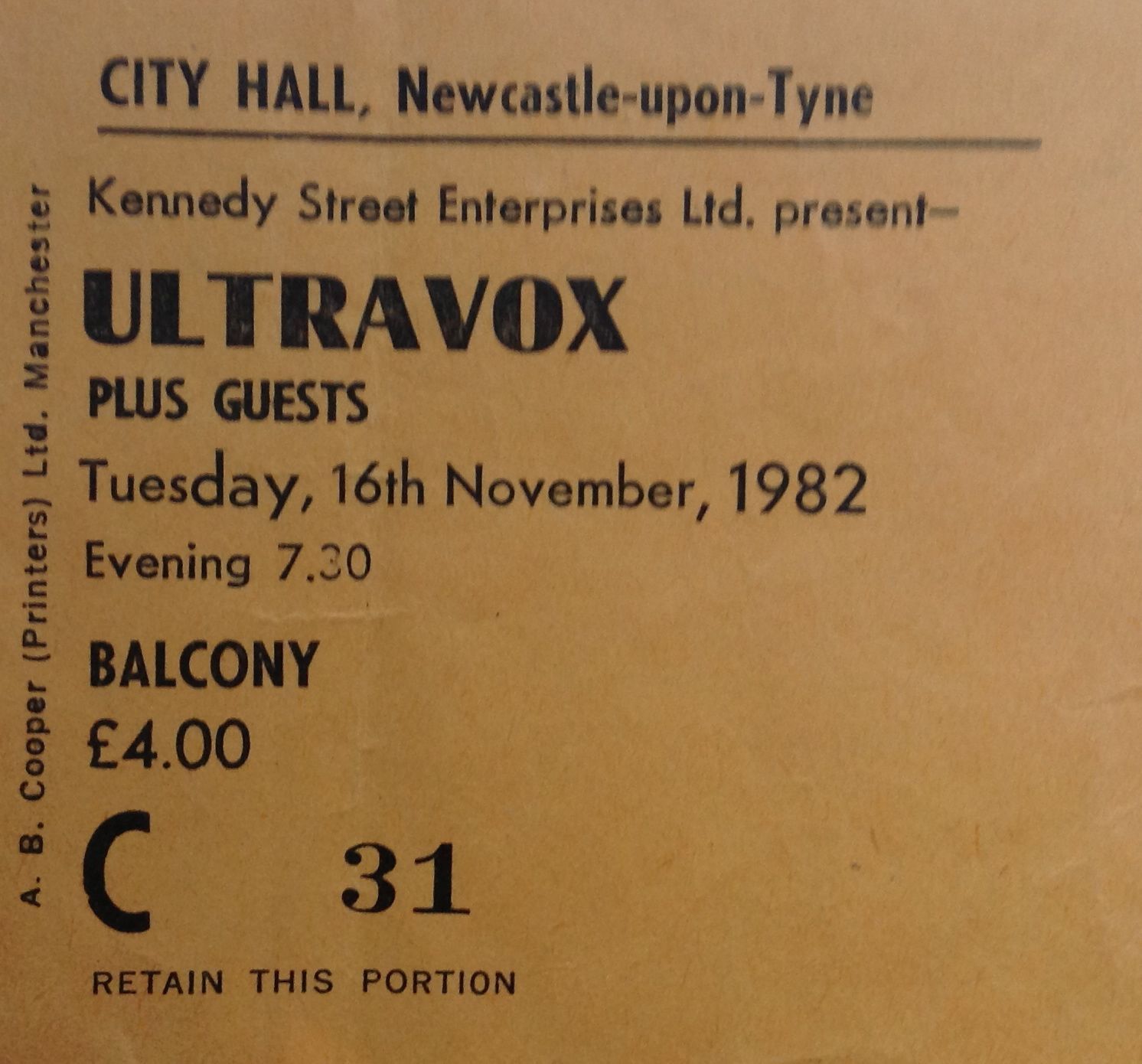
Support from Messengers
Ultravox released their sixth album “Quartet” (their third with Midge Ure) in 1982 and toured around the world to promote it on the Monument Tour. By now they had followed the success of “Vienna” with a series of Top 20 UK singles: “All Stood Still”, “The Thin Wall”, “The Voice”, “Reap the Wild Wind” and “Hymn”. The band were very popular, so much so that this time they sold out two nights at the City Hall. I attended the second night. The Monument Tour was recorded for posterity in the form of a video and an lp “Monument” which was recorded at London’s Hammersmith Odeon, and released in 1983.
 The Monument album peaked at no.9 on the UK album chart and was certified Gold in January 1984. The City Hall show was another great concert from a band who were at the top of their game.
Support came from Messengers a duo aka Danny Mitchell and Colin King, friends from Glasgow of Midge Ure and who supported Ultravox again in 1984. Mitchell has co-written songs with Midge Ure for many years.
Setlist: Reap the Wild Wind; When the Scream Subsides; The Thin Wall; New Europeans; We Stand Alone; I Remember (Death in the Afternoon); Visions in Blue; Mr. X; Sleepwalk; The Voice; Vienna; Astradyne; All Stood Still; Passing Strangers; Mine for Life
Encore: Hymn; The Song (We Go)
 Vintagerock's Weblog.