The Reading Festival 24th – 26th August 1973
 August 1973 and I was back at the Reading Festival. This year I hooked up with a large group of mates from town who had traveled down in a Transit van. I discovered Reading town centre, and the local pubs for the first time this year, and as a result missed some of the bands. The line-up was pretty mixed, with a clear attempt to become international; featuring bands from France, Italy and the USA, and also retaining jazz elements with appearances by Chris Barber and George Melly (who was great and a surprise success).
Friday line-up: Embryo (Germany), Alquin (Holland), Stray Dog (USA), Greenslade, Capability Brown, Commander Cody and the Lost Planet Airmen (USA), Jo’Burg Hawk (South Africa), Rory Gallagher. The successes of the day were Commander Cody and of course Rory, who was just amazing. This was classic Rory at his best: Messin’ With the Kid; Laundromat; Walk on Hot Coals; Pistol Slapper Blues; Going to My Home Town; and Bullfrog Blues. The crowd loved him. Capability Brown grew out of the ’60s band Harmony Grass; prog rock with great harmonies.  The other thing I discovered was the bridge over the Thames, and we spent many an hour watching people dive off and down into the river (which seemed crazy and dangerous to me).
Saturday line-up: Dave Ellis, Clare Hamill, Tasavallan Presidentti (Finland), Riff Raff, Fumble, Magma (France), Lindisfarne (Mk II), Chris Barber band, Status Quo, Sensation Alex Harvey Band, Strider, Andy Bown, The Faces.
My memories of the Saturday are of Status Quo going down a storm, and the Faces being OK, but the real success of the day being the Sensation Alex Harvey Band. SAHB were just about to release “Next”; I think they started the set with “Faith Healer” which sounded incredible, the intro throbbing across the field. Alex was electric and made a lot of new friends that day. 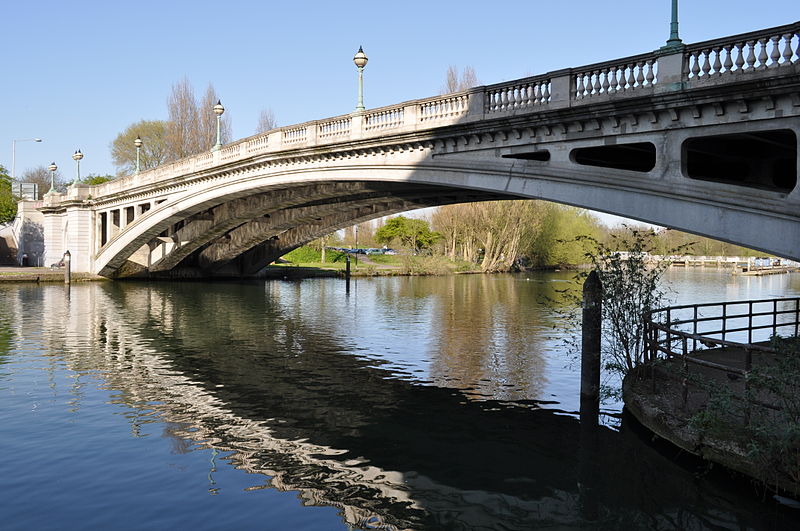 The Faces set was nowhere near as strong as the previous year. This was one of their first gigs after Ronnie Lane had been replaced by Tetsu (who was great by the way); you could sense that the band were losing their enthusiasm and a Rod would soon be on his way. Lots of footballs into the crowd again. Oh and Jesus dancing naked during the afternoon. I don’t recall Andy Bown’s set and didn’t know much about him at the time, other than he was in The Herd with Peter Frampton. I do remember being surprised as how high up on the bill he was. I think this was where he made friends with Quo; he joined them shortly afterwards on keyboards. Fumble were a rock’n’roll revival band who played a lot of gigs at the time; I recall seeing them several times at local student union dances.
 Sunday line-up: Aj Webber, John Martyn and Danny Thompson, Ange (France), Tim Hardin and Lesley Duncan with the Tim Horovitz Orchestra, PFM (Italy), Jack the Lad, Medicine Head, Stackridge, George Melly and the Feetwarmers, Jon Hiseman’s Tempest, Mahatma, Jimmy Witherspoon (USA), Spencer Davis, Genesis. I think Roy Buchanan may have played also; he was advertised in early flyers, but doesn’t feature in the programme; I think I recall watching him. The stand-outs on Sunday were (surprisingly) George Melly who wore an incredibly sharp suit and totally engaged the crowd with his crazy jazz campness, and of course Genesis, with Peter Gabriel appearing with a strange pyramid arrangement on his head. Stackridge were good as always (Slark still a favourite of mine); Spencer Davis played all the hits, and had a great band featuring Charlie McCracken, Pete York, Ray Fenwick and Eddie Hardin. Tim Hardin sang his beautiful moving songs (If I was a Carpenter, Reason to Believe) and John Martyn went down well in his early slot, accompanied by the excellent Danny Thompson on double bass. The weather was pretty good as I recall, I don’t think we got much, if any, rain. Not one of the strongest Reading line-ups, but still a good weekend of music and fun, with excellent performances by Rory, George Melly, Alex Harvey, Quo and Genesis. Thanks to Ben Sutherland for making his photograph of the Reading Bridge available through WikiMedia Commons. The programme was once again produced by the local newspaper and cost all of 10p 🙂 . The poster of the Faces comes from the centrepages of the programme.
Posts Tagged ‘gig’
18 Jan
Pink Fairies live in the mid-’70s
Pink Fairies live in the mid-’70s
 I was a big fan of the Pink Fairies in the early and mid ’70s and went to see them a number of times in concert. Those guys represented everything that was great about rock music; attitude, far-left politics, anti-establishment views, freedom and some great underground tracks. My mate had a copy of their “Kings of Oblivion” album which we played again and again, especially “City Kids” and “When’s the Fun Begin” (which was co-written by hero of the counter-culture, Mick Farren, who sadly recently passed away). Another favourite of mine was their version of “Walk Don’t Run” from the “What a Bunch of Sweeties” album, which adds vocals to the Ventures instrumental, and bends it into a piece of psych-tinged surf guitar grunge.
 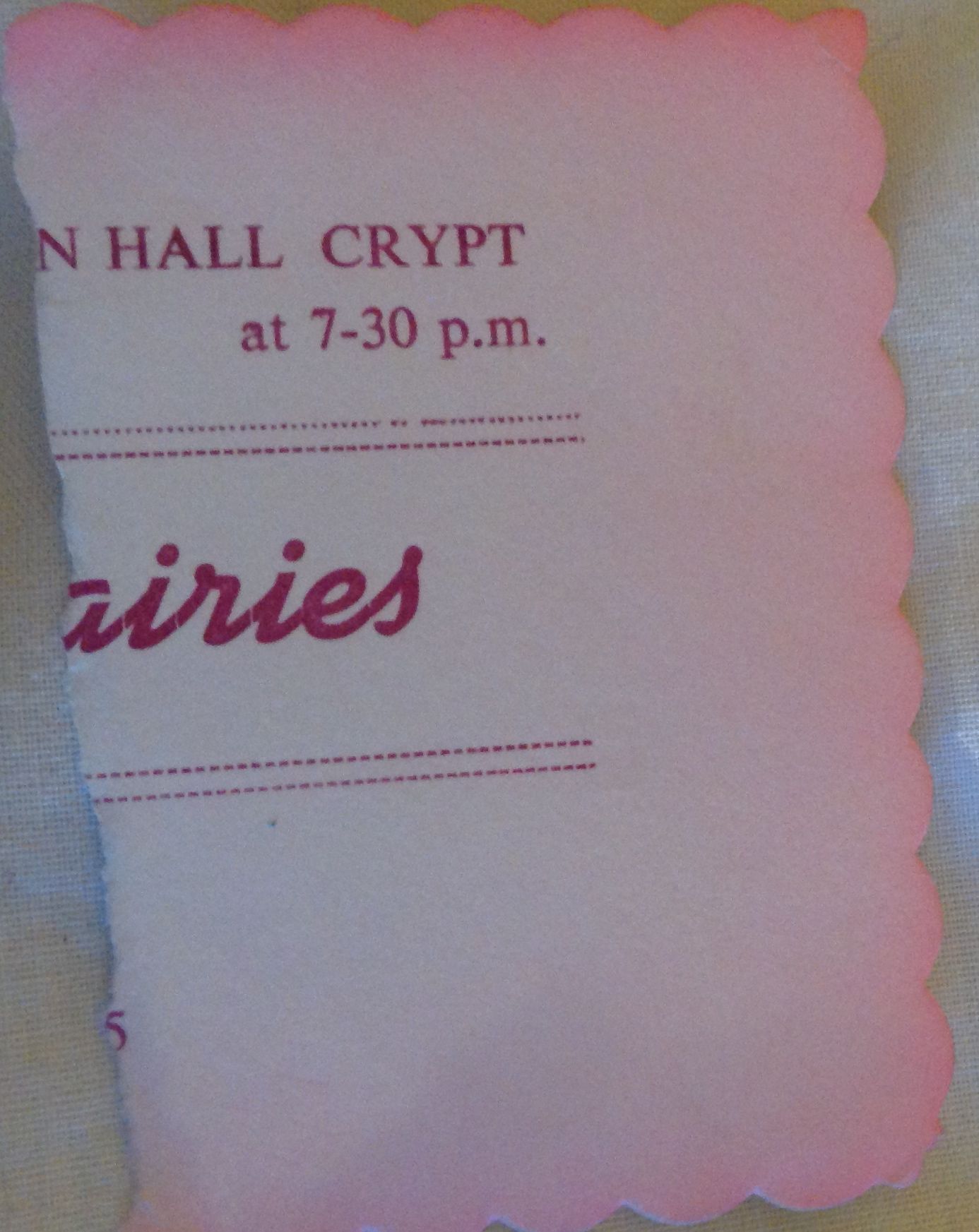 You got the feeling that these guys lived on the edge, on the outside, and were 100% authentic. The line-ups that I saw featured Paul Rudolf and/or Larry Wallis on guitar, Duncan Sanderson on bass, and Russell Hunter on drums. The legendary Twink had departed some time before. My ticket stubs included here are for gigs at Middlesbrough Town Hall Crypt and Redcar Coatham Bowl, probably around 1975 or 1976. I also saw the Pink Fairies at Newcastle Mayfair a couple of times; in 1976 and 1977. These guys were pure raw rock’n’roll live and LOUD. Amazing. It seems a reunion of some sort is in the air; as the 100 club is advertising a Pink Fairies gig in May, although its not yet clear who will be in the line-up. Something for me to watch out for.
17 Jan
Ozzy Osbourne live 1982 to 1986
Ozzy Osbourne live 1982 to 1986
 On 19 March 1982 a light aircraft piloted by Andrew Aycock (Ozzy’s band’s tour bus driver) carrying guitarist Randy Rhoads and Rachel Youngblood, the band’s make up designer, crashed while performing low passes over the band’s tour bus. In a prank turned deadly, the left wing of the plane clipped the bus, causing it to crash, killing Rhoads, Aycock, and Youngblood. Randy was only 26, and although he played for only a short period, he has been an immense influence on a whole generation of musicians in heavy rock and metal. Guitar World proclaimed that the guitarist “could have been the greatest”.
The Ozzy band were shocked and crushed by the tragedy, but regrouped with a new line-up (Bob Daisley and Lee Kerslake had left the band). By the time I saw Ozzy again on the Speak of the Devil tour when it called at Newcastle City Hall on 18th December 1982 the band was: Ozzy, Brad Gillis (from San Francisco band Ranger) on guitar, Tommy Alridge (from Black Oak Arkanas, and the Pat Travers Band), Pete Way (UFO) on bass. They were also joined by actor John Allen who was executed in a mock hanging as part of the now highly theatrical stage show.  Support once again came from Budgie. From the 1982 tour programme: ” Tragedy struck, and rock lost a great guitar hero and a friend in Randy Rhoads. And yet in the midst of the quiet that followed our loss, there was movement. When the music stopped there was silence. However, it wasn’t a simple silence. It was a silence that would whip itself into a greater sound – a sound that would Speak of the Devil. As time changed me, as time has no doubt changed you, my infatuation with horror made things move faster. The tracks you’ll hear capsulize a real life story that helped cleanse my soul of the 13th anniversary of my career. I am Ozzy Osbourne…and sometimes we all Speak of the Devil”.
Setlist: Over the Mountain; Mr. Crowley; Crazy Train; Revelation (Mother Earth); Steal Away (The Night); Suicide Solution; Goodbye to Romance; Flying High Again; Believer; Sweet Leaf; Children of the Grave; Iron Man. Encore: Paranoid.
 Ozzy was back in Newcastle on 18th November 1983 at the Mayfair for the Bark at the Moon tour with support from Heavy Petting. The line-up had changed again and was Ozzy, Jek E Lee on guitar, the return of Bob Daisley on bass, Don Airey on keyboards, and the legend Carmine Appice (Beck, Bogert and Appice; Vanilla Fudge) on drums. Ozzy had morphed into a werewolf, and the show was even more theatrical. I saw the show again as part of the 1984 Monsters of Rock festival at Donington where Ozzy joined a bill headed by AC/DC and also featuring Van Halen; Gary Moore; Y&T; Accept; and Mötley Crüe.
Ozzy setlist from Donington 1984: I Don’t Know; Mr. Crowley; Over the Mountain; Rock ‘n’ Roll Rebel; Bark at the Moon; Revelation (Mother Earth); Steal Away (The Night); Suicide Solution; Centre of Eternity; Flying High Again; Iron Man; Crazy Train; Paranoid
 Two years later I saw Ozzy again; back at Newcastle City Hall on 12th February 1986. Support came from US rockers Ratt. A new tour and yet another line-up: Ozzy; Jake E Lee remaining on guitar; Phil Soussan on bass; the late Randy Castillo on drums (who went on to join Motley Crue) and John Sinclair on keyboards. The tour was in support of The Ultimate Sin album. From the programme: “”Ozzy Osbourne is still the reigning madman of rock’n’roll. He’s still an intense performer who often pushes himself too far……The music’s great, the band is hot and we’re ready to take on the world”.
Setlist: O Fortuna; Bark at the Moon; Suicide Solution; Never Know Why; Mr. Crowley; Shot in the Dark; I Don’t Know; Killer of Giants; Thank God for the Bomb; Flying High Again; Secret Loser; Iron Man; Crazy Train; Paranoid.
This was the last time I saw Ozzy live until the current Black Sabbath tour. Ozzy’s visits to the UK became less and less frequent as he concentrated on the US. I did have a ticket to see him at Newcastle Arena 10 years or so ago, but the concert was cancelled as Ozzy was not well at the time. Ozzy is a great heavy rock singer, and a crazy and compelling front man whose stage presence is as powerful today as it ever was.
16 Jan
Ozzy Osbourne Blizzard of Ozz September/October 1980
Ozzy Osbourne Blizzard of Ozz September/October 1980
 When Ozzy left Black Sabbath in 1979 I honestly thought it could be the last we saw of him. Sure; he was a great, mad front man in Sabbath, but I really didn’t see him as a solo act. Ozzy always struck me as crazy, fearless, yet almost child-like. He fitted well within the Sabbath context, and as part of a group; but on his own? How wrong I was. No-one could have predicted just how successful his career would turn out to be. But it was obvious from the first time I saw him in concert and heard him play his new songs that Ozzy was going to be OK, more than OK in fact. The new album had some great tracks in “Crazy Train”; “Goodbye to Romance”; and “Mr. Crowley”, and he included Sabbath favourites “Iron Man”; “Children of the Grave”; and “Paranoid” in the live show, so how could he not be great. Oh, and Randy Rhoads was a simply incredible guitarist, just as good as his legend suggests. The tour called at Newcastle City Hall, Newcastle Mayfair and Sunderland Mayfair. Now this is another one of those gigs that has tested my memory; which has been playing tricks on me again. Now in my mind I went to see Ozzy at the City Hall concert; but I can’t find a ticket for that show, and I always keep them. I do have a programme so I know that I did see Ozzy that year, and on that tour, and I can definitely remember it was shortly after the Blizzard of Oz album was released. I can only conclude that I must have gone to the Sunderland Mayfair gig, and I either paid at the door or tickets were collected on the way in. I’m learning just to accept things like that now; I can’t always remember details fully these days, and it’s no good dwelling on them or trying to figure it out; it just drives me nuts 🙂 . The line-up of Blizzard of Ozz was Ozzy (of course) on vocals, the late and truly great guitarist Randy Rhoads; Bob Daisley from Rainbow on bass, Lee Kerslake fom Uriah Heep on drums and local lad Don Airey on keyboards (replaced by Lindsey Bridgewater for the tour). Support came from those excellent Welsh rock heroes Budgie.
Setlist for the tour was: I Don’t Know; You Lookin’ at Me Lookin’ at You; Crazy Train; Goodbye to Romance; Mr. Crowley; Suicide Solution; Iron Man; Children of the Grave; Steal Away (The Night). Encore: Paranoid
15 Jan
Oasis, Metro Radio Arena, Newcastle, 13th July 2005
Oasis, Metro Radio Arena, Newcastle, 13th July 2005
 The next time I saw Oasis was at Newcastle Arena in July 2005. They were on tour to promote their album “Don’t Believe the Truth” and called at Newcastle for two nights; Tuesday 12th July and Wednesday 13th July. The rest of the tour saw them selling out massive stadiums: three nights at the City of Manchester Stadium, two nights at Milton Keynes National Bowl and shows at Hampden Park, Glasgow and Southampton Rose Bowl. So the Newcastle concerts were small gigs in comparison and tickets sold out immediately. I went to concert on the second night at the venue.
It was a red hot summer night and the place was jam packed. The heat in the arena was stifling, and Oasis came on stage to one of the biggest roars I’ve ever heard. I was with David; we had standing tickets, and managed to get ourselves right into the thick of the crowd; everyone around us was going totally crazy. Oasis, and Liam in particular, were on excellent form. This gig was so much better than the first time I saw them at the Reebok Stadium; it wasn’t that the band were playing any better, but the sound was much clearer, louder and the atmosphere in the middle of the arena was much more exciting than it can ever be when you are standing up on the terraces at the back of a stadium. The set included the hits and tracks from the new album. They closed with an excellent version of the Who’s My Generation, showing their classic rock roots. Great stuff.
Jonjo McNeill summed it up well in a review of the time: “every single person in that room was part of the band tonight, every single one a Rock N Roll Star, and that’s why Oasis will always be the Best Band in the World to me” (Jonjo McNeill, PennyBlackMusic, 2005).
Setlist: Turn Up the Sun; Lyla; Bring It on Down; Morning Glory; Cigarettes & Alcohol; The Importance of Being Idle; Little By Little; A Bell Will Ring; Acquiesce; Songbird; Live Forever; Mucky Fingers; Wonderwall; Champagne Supernova; Rock ‘n’ Roll Star. Encore: Guess God Thinks I’m Abel; The Meaning of Soul; Don’t Look Back in Anger; My Generation (The Who cover)
14 Jan
Oasis Reebok Stadium Bolton 15th July 2000
Oasis Reebok Stadium Bolton 15th July 2000
 I came late in terms of getting to see Oasis in concert. They came up during a time that my gig going was at a low point, and it wasn’t until 2000 that I finally got to see them. By then I had missed (and regretted doing so) their massive Knebworth gig, so I was pretty keen to see what the Gallagher brothers were like live. When they announced their next tour, I bought tickets immediately for their (relatively) home town gig at Bolton Reebok football stadium. Marie and I travelled across to Manchester by train, staying at the Midland hotel, and taking the train across to Bolton. We arrived just in time to catch some of the first support act, which was ex-Smiths Johnny Marr’s new band the Healers. Next up were Shaun Ryder and his Manchester heroes the Happy Mondays. Both went down well with the home crowd and warmed everyone up for the main attraction.
This gig came shortly after the Gallagher brothers had one of their bust-ups which resulted in Noel walking out of the European leg of the Standing On The Shoulder Of Giants world tour, and the scrapping of French tour dates. The tour tcontinued with a stand-in for Noel, but luckily the brothers had made it up by the time the tour reached the UK. Oasis opened their set with Don’t Let It Out, and played for around 90 minutes, featuring all of their well known songs. We were up in the stands to the left of the stage, and the sound wasn’t great up there, but Oasis were still impressive.
 However, my most enduring memory of the day comes from the journey back to Manchester. We left during the encores in the hope of getting a headstart before the massive crowds rolled out onto the trains. The station was walking distance from the Stadium. We got onto the platform without any problem, and stood waiting for the next train. And we waited and waited, as more and more people piled onto the platform. Soon the station was completely packed to the extent people were in danger of being pushed onto the tracks. Eventually a train arrived and everyone piled on. I’ve never been on such a packed train; it was so full you couldn’t move at all, with people up on tables and every inch of space taken; to the extent it was dangerous and pretty frightening. The short journey from Bolton to Oxford Road seemed to take forever. How we managed to squeeze our way out of the carriage I don’t know. Marie lost a shoe in the process and I literally had to pull her out of the carriage. She wasn’t in too good a mood travelling back the next morning with only one shoe 🙂 Very bad organisation, which left a bad taste after what was, otherwise a great gig.
From a review of the time: “Oasis just know how to rock an entire stadium. The entire crowd rocked when ‘Supersonic’ played, they jumped when ‘Cigarettes and Alcohol’ played, they laughed when Liam spoke, they reminisced about Knebworth when ‘Live Forever’ and ‘Champagne Supernova’ oozed from the giant speakers. You could see the atmosphere it was that rich.” Reblogged from: http://www.ciao.co.uk/OASIS_Bolton_Reebok_Stadium__44759
Setlist: Go Let It Out; Who Feels Love?; Supersonic; Shakermaker; Acquiesce; Step Out; Gas Panic!; Roll With It; Stand By Me; Wonderwall; Cigarettes & Alcohol; Don’t Look Back in Anger; Live Forever. Encore: Hey Hey, My My (Into the Black) (Neil Young cover); Champagne Supernova; Rock ‘n’ Roll Star
13 Jan
Orchestral Manoeuvres in the Dark live 1979 to 1983
Orchestral Manoeuvres in the Dark live 1979 to 1983
 I first saw Orchestral Manoeuvres in the Dark on 21st September 1979 when they supported Gary Numan on tour at Newcastle City Hall. This was the original two piece band featuring Andy McCluskey on vocals and bass and side-kick Paul Humphreys on vocals and keyboards. Oh, and not to forget “Winston”, their friendly four track tape-recorder, on backing tracks. My memories are of crazy (or cool; all depending upon your point of view) dancing by Andy and that great first single “Electricity”.
  This was before the release of their eponymous first album in early 1980. OMD hit the chart big-time later in 1980 with the very catchy “Enola Gay”; an anti-war song entitled after the plane which dropped the bomb on Hiroshima on 6 August 1945, during the final stages of World War II. By the time they played Newcastle Polytechnic on 18th November 1980, OMD were massively popular and tickets sold out immediately. By now Andy and Paul had augmented the OMD line-up with the addition of Martin Cooper (saxophone) and Malcolm Holmes (drums). This tour was to promote Organisation which was their second album, and support came from Fatal Charm. The students union ballroom was packed to the walls that night; and the band got a great reception, with “Enola Gay” and “Electricity” being stand-outs. Exactly one year later to the very day, on 18th November 1981, OMD were headlining at Newcastle City Hall on the Architecture & Morality tour, to promote their their third album. Support came from Random Hold.
  I saw the band once more, on 23rd April 1983, when they returned to the City Hall as part of their the Dazzle Ships tour (to promote their fourth album). Support came this time from the Cocteau Twins, featuring the beautiful voice of Elisabeth Fraser. The Cocteau Twins were on the cusp of success at the time (this was just before the release of “Pearly Dew Drops Drop”). The classic four-piece OMD line-up split in the late ’80s, and they reunited in 2005.
A setlist from the 1981 tour: Architecture & Morality; The Romance Of The Telescope; Sealand; Pretending To See The Future; Messages; Almost; Mystereality; Joan of Arc; Motion And Heart; Joan of Arc (Maid of Orleans); Statues; Souvenir; New Stone Age; Enola Gay: Bunker Soldiers; Electricity. Encore: She’s Leaving; Julia’s Song; Stanlow.
11 Jan
The Johnny Otis Show featuring Shuggie Otis @ Reading Festival 12th August 1972
The Johnny Otis Show featuring The Three Tons of Joy and Shuggie Otis, Reading 12th August 1972
 One of my most enduring memories of the 1972 Reading Festival is seeing the Johnny Otis show. The late Johnny Otis (1921 – 2012) was one of the originators of rock’n’roll, and is often referred to as the “Godfather of Rhythm and Blues”. Otis was a band leader, musician, singer, composer, radio and TV host, author and artist; he was inducted into the Rock Hall of Fame in 1994. He started forming bands after World War II, blending swing with the blues. Otis opened the first nightclub in the world devoted solely to rhythm and blues, discovered many artists including Etta James, and Jackie Wilson, wrote and recorded “Willie and the Hand Jive,” and played drums on Big Mama Thornton’s original recording of “Hound Dog”. Brian Wilson, Frank Zappa, Bob Dylan are all on record as saying that they were influenced by Otis. In the UK he hit the UK charts with “Ma He’s Making Eyes At Me” featuring singer Marie Adams and The Three Tons of Joy, which reached number 2 in 1957.
 Johnny Otis is also the father of child prodigy guitarist Shuggie Otis, who joined the Otis Show at a young age. Shuggie was heavily influenced by blues-rock, funk and the music of Sly Stone, Jimi Hendrix, and Love. In 1969, at the age of 15 he featured on Al Kooper’s Super Sessions; he then released his first solo album “Here Comes Shuggie Otis”and played bass on “Peaches en Regalia” on Zappa’s Hot Rats. In 1971 he wrote “Strawberry Letter 23” which was later covered by the Brothers Johnson.
So these guys brought some pedigree to the Reading festival stage in 1972. They appeared on the early Saturday evening coming before ELO and The Faces. The Reading festival originates from the National Jazz Festival and in the early ’70s jazz artists still featured as part of the line-up. For example I remember seeing Chris Barber and George Melly play there in 1973. So Johnny Otis fitted well into that context.
 To me, a young kid at the time, The Johnny Otis Show live seemed to come from another age and another world. This was the full US show, featuring Johnny on piano, a big band, Shuggie, and the return of Marie Adams and The Three Tons of Joy. There must have been 20 people on stage at one point. The show took the form of a R&B revue with guest performances by Shuggie, who played a lengthy and amazing guitar solo on “Shuggie’s Boogie”, and Marie Adams and The Three Tons of Joy who sang “Ma He’s Making Eyes At Me” and were simply sensational; the crowd just loved them. They also played “Willie and the Hand Jive”. It was a hot sunny day and The Johnny Otis show matched the mood of the day, and fitted in well with the rest of the heavy and prog-rock line-up, which featured Ten Years After, Curved Air, Status Quo, Genesis, Stray and Edgar Broughton. Johnny Otis must have been in his early 50s at the time, which seemed like he was an “old” guy; its interesting how my concept of “old” has changed as I have become “old” myself 🙂 . Shuggie was of course a young guy; around 18 years old at the time. Shuggie continues to play to this day, and retains a cult following; he returned to the UK a year or so ago and played at Manchester’s Band on the Wall, and the Jazz Cafe in London. His influence is felt through the music of Prince and Lenny Kravitz. These guys are legends, and the Johnny Otis show stays in my mind as something pretty special, the like of which I’ll probably never see again.
PS. I added some photos of a page from the 1972 Reading programme showing Johnny Otis and the Three Tons of Joy.
10 Jan
Sinead O’Connor The Sage Gateshead 22nd July 2008
Sinead O’Connor The Sage Gateshead 22nd July 2008
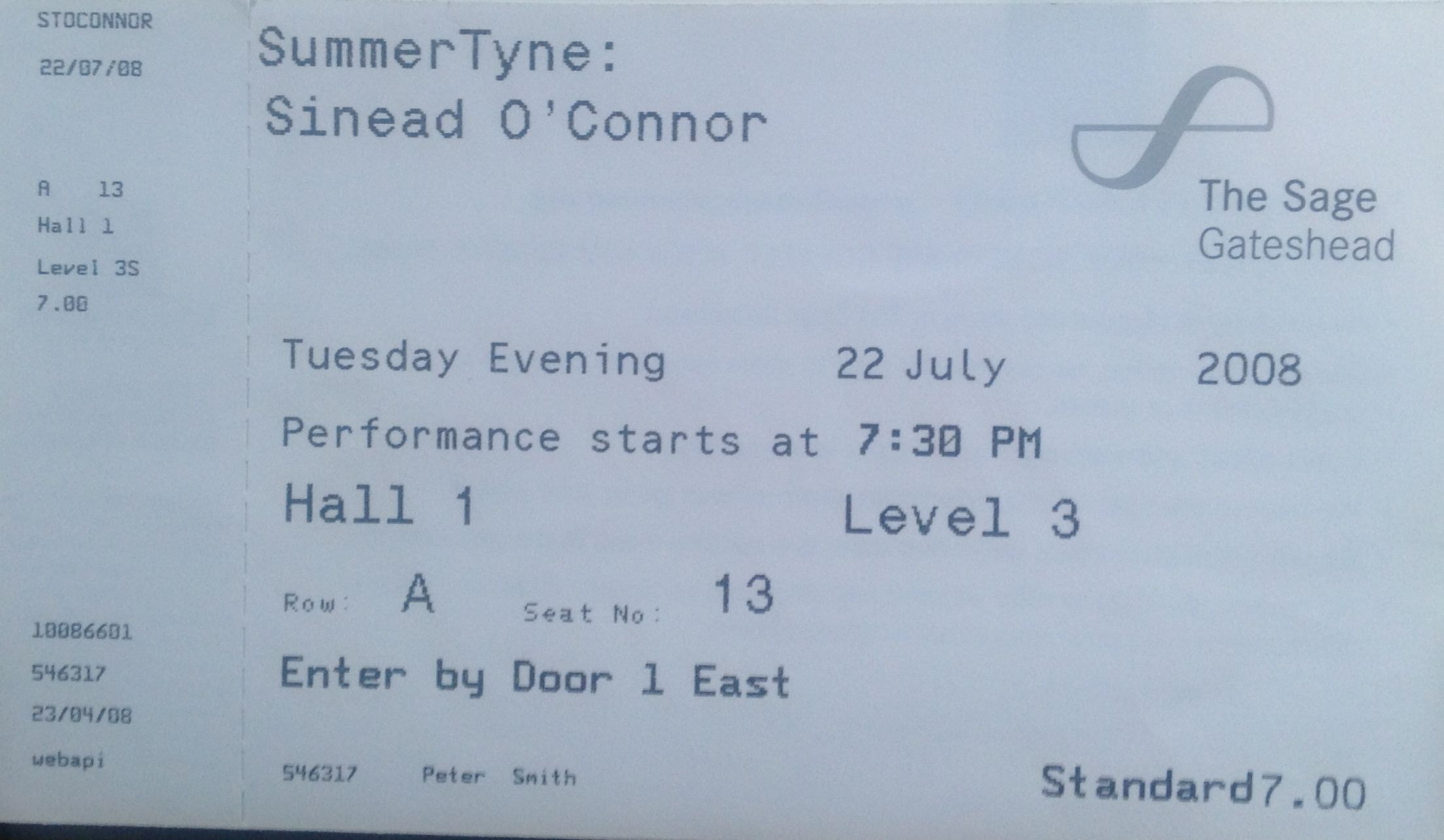
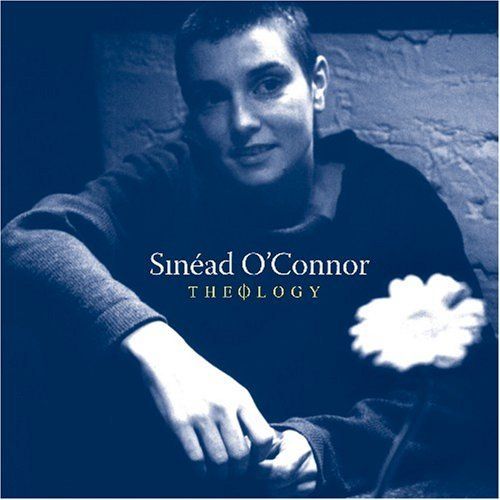 Dressed simply in jeans and a shirt, Sinead O’Connor walked on to the stage of the Sage Gateshead to deliver an acoustic performance. She was joined on stage by guitarist Steve Cooney, who played on, and co-produced, the Dublin Sessions of her two disc ‘Theology’ album; and multi-instrumentalist Kieran Kiely from her touring band on keyboards, accordion, and whistles. “Theology”, which was Sinead’s 8th album, was released one year earlier. As the name suggests, Siobhan was heavily into religion at the time and the songs on the album reflect this. The concert drew heavily from “Theology” and a selection of older numbers, including of course “Nothing Compares 2 U”, which sounded good in this stripped-down form. The acoustic setting demonstrated the incredible range of Sinead’s voice; she sang with great passion and intensity. The concert was part of the 2007 SummerTyne festival. At the time the Sage had a practice of offering discounted £7 seats for certain performances. The seats were in the upper level, above the stage, almost looking down on the top of the performers heads. This gave the opportunity to catch performances by world class acts at a bargain price; I was seated in one of these seats for Sinead’s concert.
 Sinead is a difficult artist to categorise, and often gains headlines for the more controversial aspects of her life rather than for her music. This concert at the Sage showed just how powerful her voice and her performance can be, and how talented Sinead is. I can’t pretend to be a big fan, and I’m not familiar with much of her music, but I really admire her voice, passion, attitude and the authentic and honest manner in which she seems to approach life and her art.
Setlist (something like this; based on setlists of the time): Something Beautiful; If You Had a Vineyard; Whomsoever Dwells; Watcher of Men; Dark I Am Yet Lovely; The Healing Room; All Babies; Black Boys on Mopeds; Big Bunch of Junkie Lies; Never Get Old; Nothing Compares 2 U; I Am Stretched on Your Grave; The Last Day of Our Acquaintance; Thank You for Hearing Me; 33; Rivers of Babylon
9 Jan
Osibisa: criss-cross rhythms live in the early to mid 1970s
Osibisa: criss-cross rhythms live in the early to mid 1970s
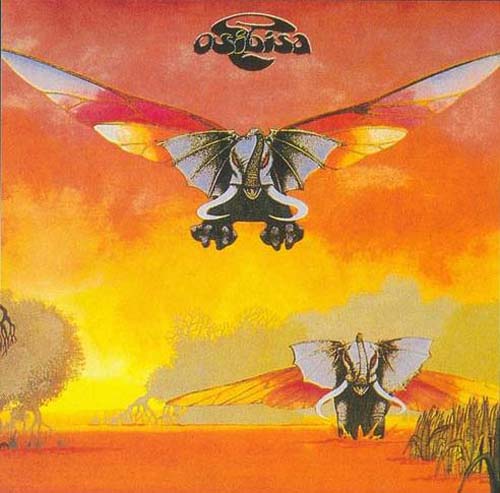 Osibisa is Ghanian for…’criss-cross rhythms that explode with happiness’. Good choice of name. Osibisa were ahead of their time. Formed in 1971 their unique fusion of African, Caribbean, Rock, Jazz, Latin and R‘n’B paved the way for world music, disco, reggae and Bob Marley and the emergence of African music in the 80s. A night in the company of Osibisa was guaranteed to be good fun, high energy, and very different from the progressive rock I was going to see at the time, and the punk music that lay just around the corner for me. David Hughes wrote (Disc and Music Echo, 1971): “….criss-cross rhythms are exploding with happiness right across the country, and if ever you want to get high – but naturally – all you have to do is see them play, hear their music or simply be in their presence!” Osibisa are one of those bands that I saw several times, but can’t recall exactly where or when. It was in the early to mid 70s, and probably at Sunderland Locarno or Newcastle Mayfair. I definitely remember seeing them at Newcastle Poly Students Union one night. Marie and I were in the habit of going along to the Poly dances on Friday nights in the mid 70s. Most of the time we didn’t know who was performing until we arrived, which had to be before 10.30pm (no entry after that point, to dissuade the locals turning up when the pubs closed). Once or twice we got there to find Osibisa playing, which was a great surprise. In his memoirs “Broken Music” Sting refers to his band Last Exit supporting Osibisa at a Poly gig in the mid 70s. Well; I don’t recall seeing Last Exit that night (they had probably finished their set by the time we arrived) but I do recall Osibisa going down a storm. Crazy beats, happy vibes, wonderful Roger Dean graphics on their album covers and the late great founder member Sparticus R (actually he left in the early days of the band). They would explode into the hall; pounding congas, driving bass, chants; the crowd were up and with them from the start, dancing along with the African highlife rhythms. “Sunshine Day” was out at the time; which must place it around 1975. Think I also saw them at Bede College Durham (or that could have been Assagai who were another African rock band of the time) and at Reading festival when they were a special guest band, closing the 1976 festival. Osibisa are still playing today. Robin Denselow reviewed a 2010 gig at the Festival Hall London: “Osibisa have played a unique role in the history of African music. No other band achieved such extraordinary success, in terms of hit singles and albums in the UK and US, and yet no other band fell so dramatically from fashion…….But Osibisa kept going and, 40 years on, they were back in London to show that they have refused to change their approach, and are still populist mavericks” (the Guardian, 3rd March 2010). Time for me to see them again methinks.
Sting (2005), Broken Music: A Memoir, Dial Press.
Osibisa website: http://www.osibisa.co.uk/
 Vintagerock's Weblog.