 Eighteen times. That’s how many times I’ve now seen Bob Dylan perform live, stretching from my first encounter at Earls Court in 1978 to this latest performance at the Royal Albert Hall in 2024. Each time has been different, sometimes mesmerising, sometimes challenging, sometimes unexpected, but always an experience. With Dylan now 83 years old, I couldn’t help but wonder: could this be the last time he will grace a UK stage?
 Dylan performed three nights at the Royal Albert Hall, a venue steeped in his own history. Back in 1966, it was here (or more accurately, in Manchester, before the tapes were mislabelled) that he was famously heckled with a cry of “Judas! “as he shifted from folk to electric. Nearly 60 years later, he was back—still unpredictable and always, still rewriting his own rulebook.
 The show was part of his Rough and Rowdy Ways world tour, an era that has seen Dylan settle comfortably into the crooning, jazz-infused, storytelling style he’s been refining over the past two decades. The setlist was carefully curated, blending selections from Rough and Rowdy Ways with reimagined versions of classics from his immense back catalogue. A performance shrouded in mystery and surprise.
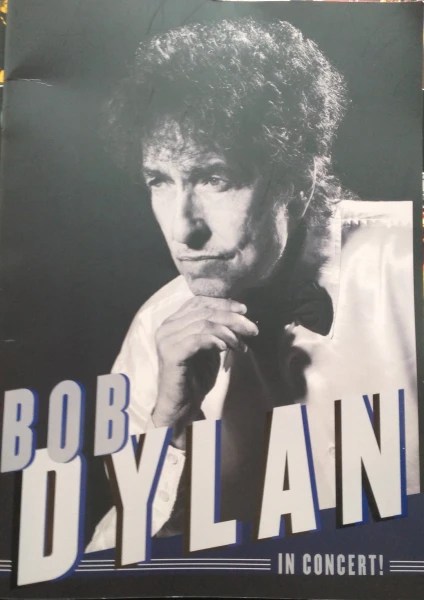
 Firstly, no photographs allowed. We each had to have our phones placed in a small, sealed wallet while in the performance. This was actually a smooth process and did not take as long as I feared. I am not quite sure what the purpose was, but the result was that it forced me to concentrate on Dylan and his performance without any distractions. Hence no photographs, the images are a selection of my programmes from over the years, my poster from the Albert Hall and a picture of me with 250000 others watching Dylan at Blackbushe Aerodrome in 1978 (see image, I am the guy stood in the centre with long black hair and beard, those were the days)
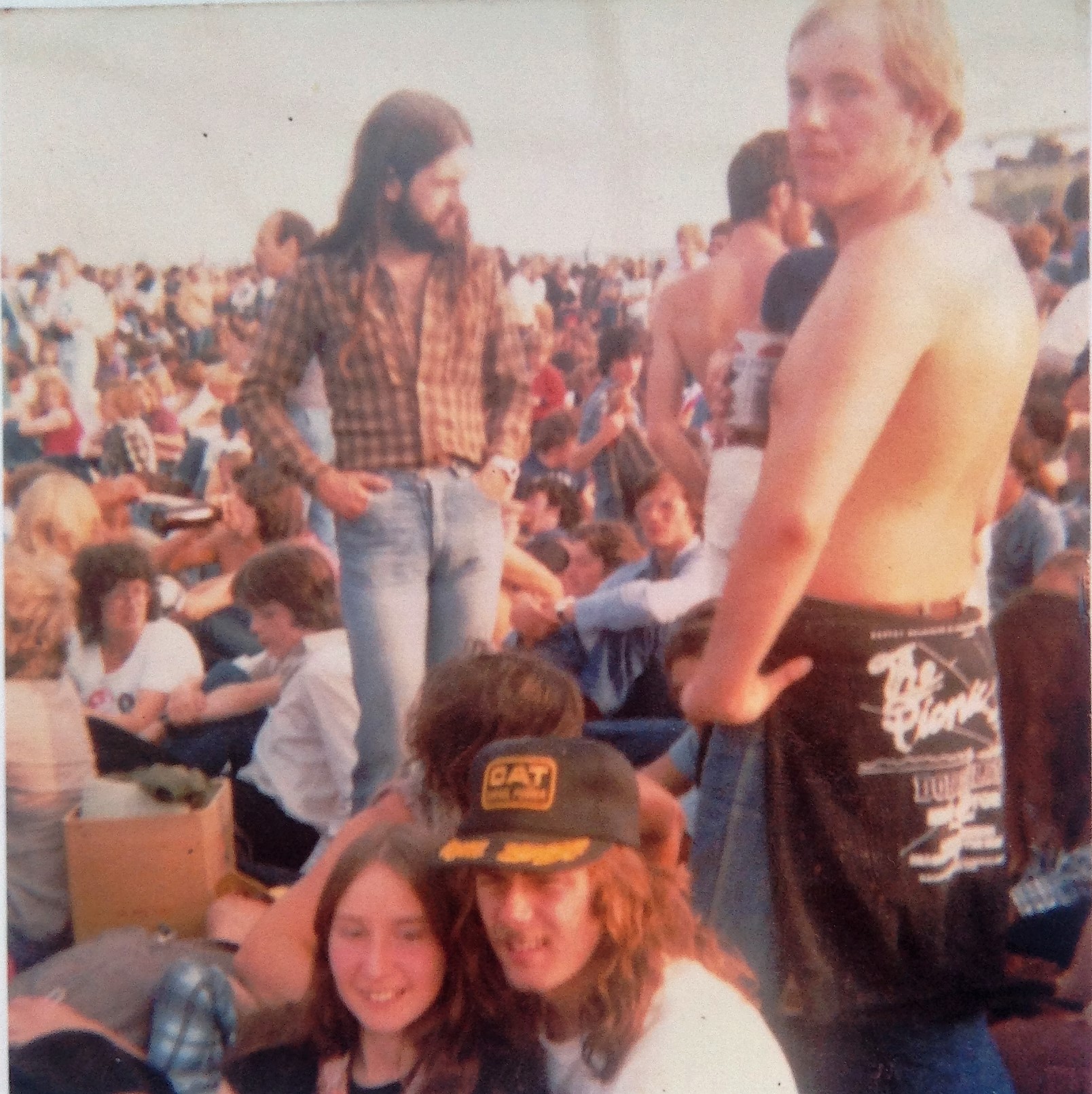 One thing was immediately clear …. this was a concert on Dylan’s terms. The Royal Albert Hall stage was dimly lit, wrapped in an atmospheric golden glow. As has been the case for years now, no cameras, no phones, no distractions, just music. There was no spoken word from Dylan, no greeting, no small talk. He let the songs speak for themselves.
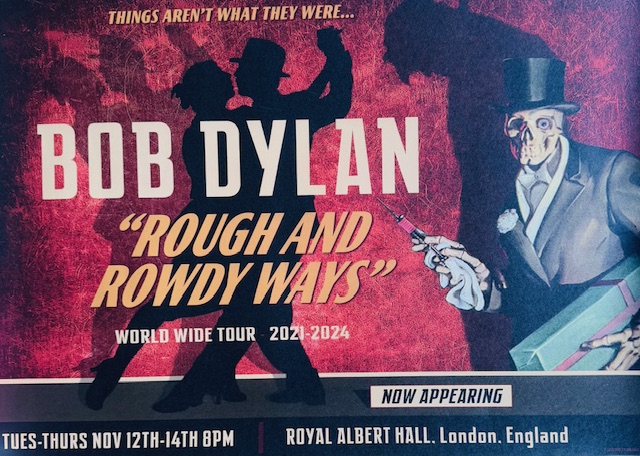 He opened with “All Along the Watchtower,” an immediate reminder that while his voice has changed, the power of his words remains eternal. Stripped of its anthemic energy, this version was slower, moodier, drenched in blues and introspection. From there, “It Ain’t Me, Babe” followed, its defiance softened by Dylan’s aged, world-weary delivery. Hearing “Desolation Row” live was also a special moment, Dylan’s phrasing bending and twisting each line, revealing new nuances in a song I’ve heard a thousand times before.
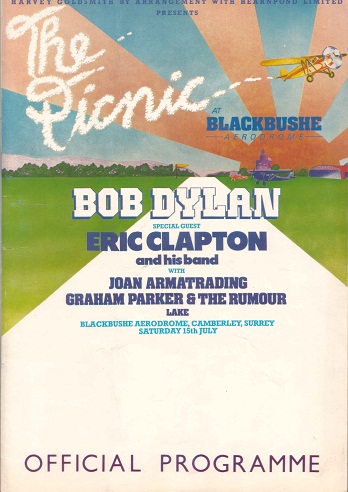 “When I Paint My Masterpiece” was another highlight—its theme of travel and artistic longing feeling especially poignant, as though Dylan himself was reflecting on his endless journey. Although I didn’t know much of his newer material, “I Contain Multitudes” and “Black Rider” stood out, both tracks sounding even richer in a live setting. Dylan has long blurred the lines between personal confession, poetry, and theatre, and in these songs, he seemed to embody the mysterious, wandering figure he’s always hinted at being.
 Perhaps the most moving moment of the evening came with “Every Grain of Sand,” Dylan’s meditation on fate and grace. His voice, ragged but expressive, carried an undeniable weight as he delivered the final words of the set.
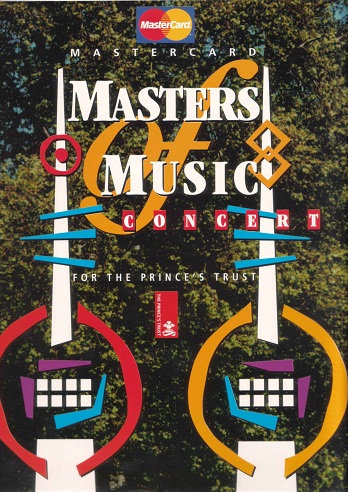 And then—just like that—it was over. No encore, no grand farewell. Dylan left the stage as quietly as he had entered, slipping away into the shadows, just as he always has. At 83, Dylan is still reshaping his own legacy. The raw energy of those early performances—where he sneered through protest songs and reinvented rock music—has given way to something more reflective, almost intimate. This wasn’t a show for casual fans expecting Blowin’ in the Wind singalongs. This was a deep, immersive experience, rewarding those willing to listen rather than just remember.
 As I left the Royal Albert Hall, I couldn’t help but feel a quiet gratitude. Eighteen times I’ve seen Dylan live, and each time has been different. If this was to be the last, it was a fitting end—subtle, masterful, and completely on his own terms. Fingers crossed though … perhaps number 19 could be waiting for me in the hopefully not too distant future. Oh, and wouldn’t it be wonderful to get to number 20 Mr Dylan.
 Many thanks to Laura for assisting with the blog and Chris for helping manipulate the site. And to carers Jan and Jackie both of whom enjoyed the experience as much as me. An iconic artist in an iconic building which carries so many memories for him and me. Wonderful. Legend cannot even begin to cover it.
 Setlist: All Along the Watchtower, It Ain’t Me, Babe, I Contain Multitudes, False Prophet, When I Paint My Masterpiece, Black Rider, My Own Version of You, To Be Alone With You, Crossing the Rubicon, Desolation Row, Key West (Philosopher Pirate), Watching the River Flow, It’s All Over Now, Baby Blue, I’ve Made Up My Mind to Give Myself to You, Mother of Muses, Goodbye Jimmy Reed, Every Grain of Sand.



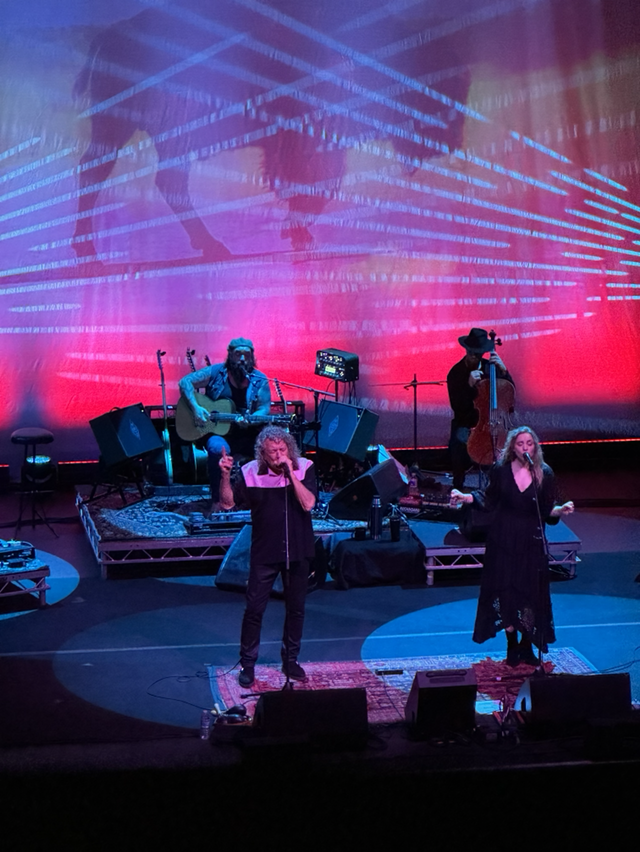
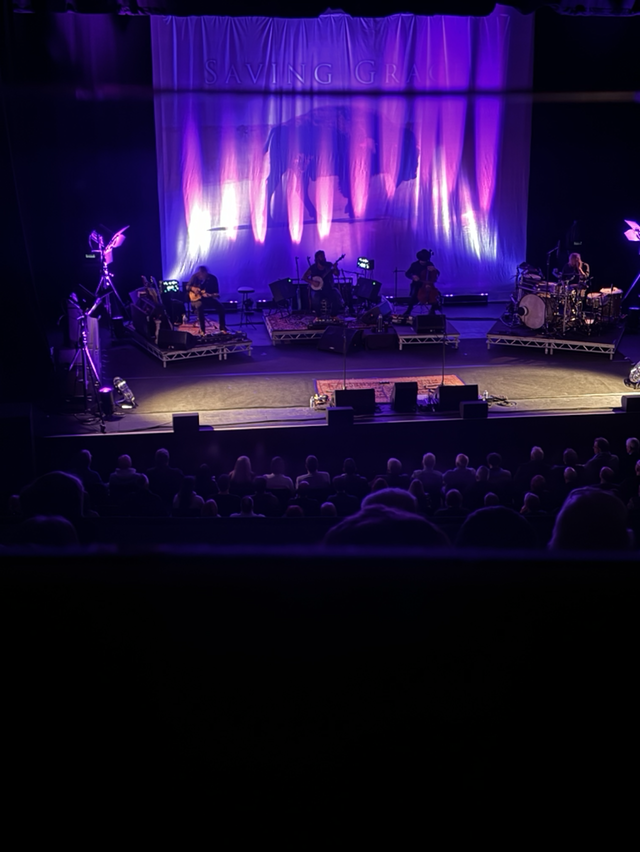
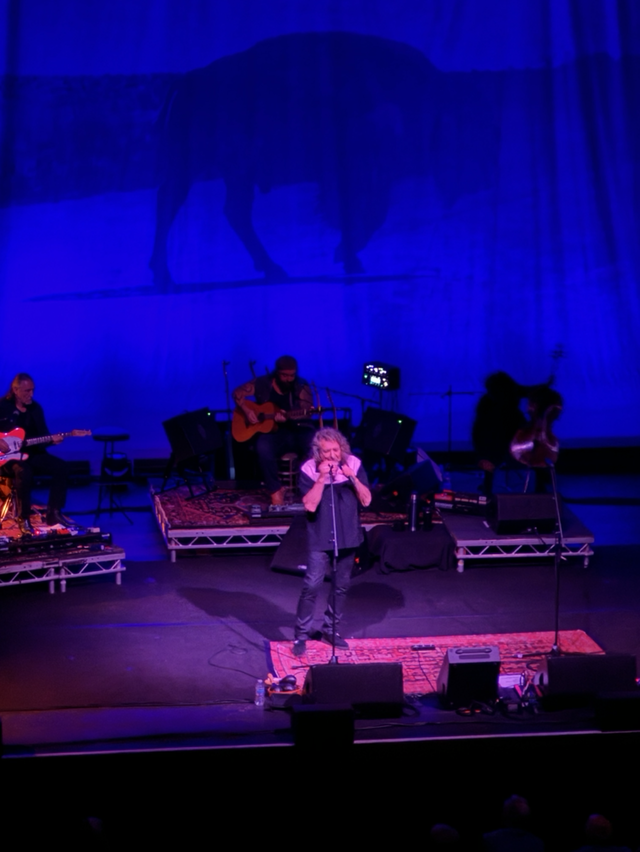


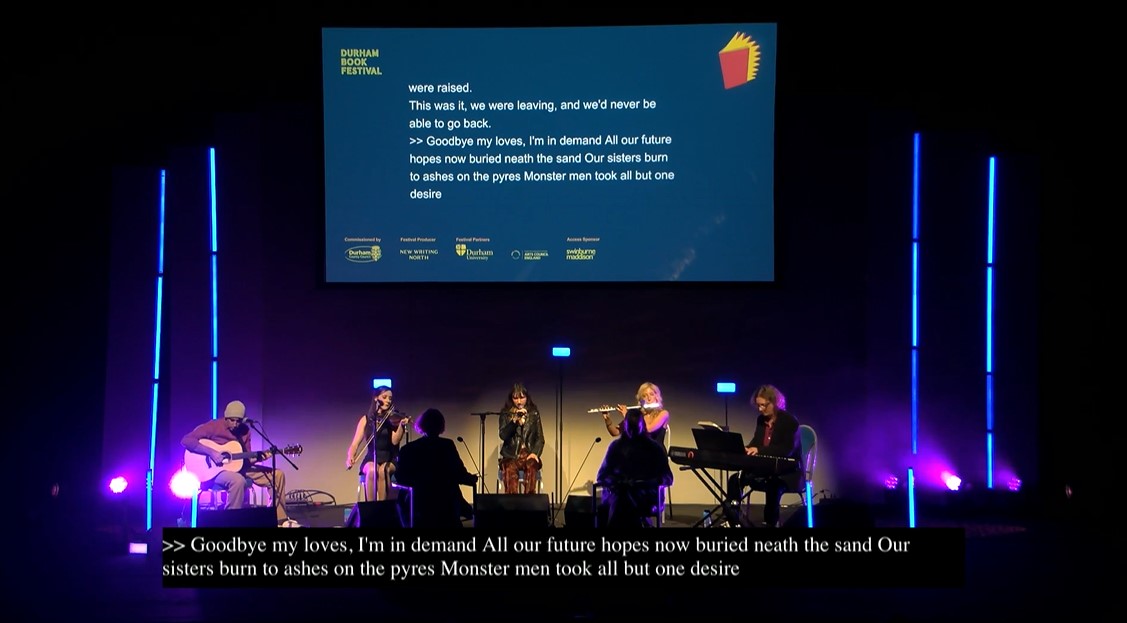







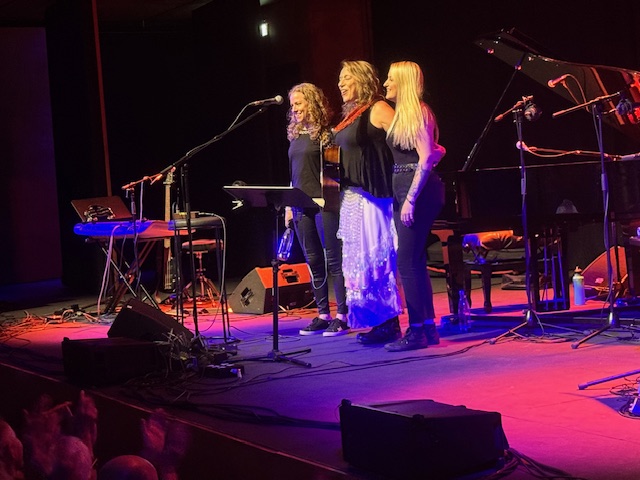
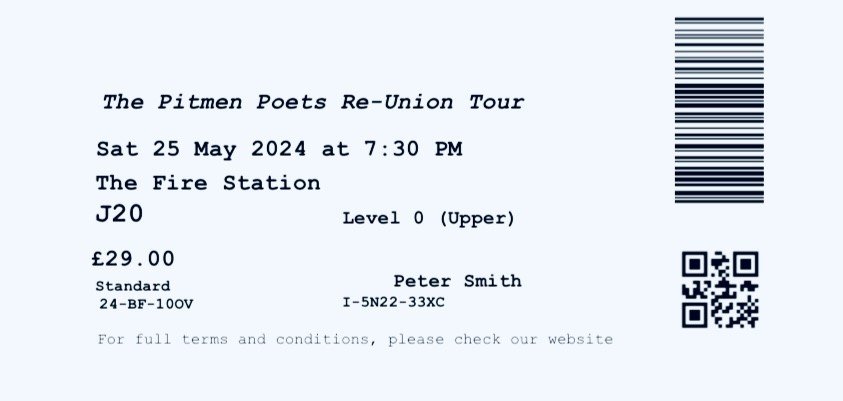
 The Pitmen Poets effortlessly weaved tales of mining life through their songs and anecdotes. Their set included a mix of traditional folk songs, contemporary compositions, and spoken word pieces, each carefully chosen to reflect the struggles, resilience, and humor of the mining communities.
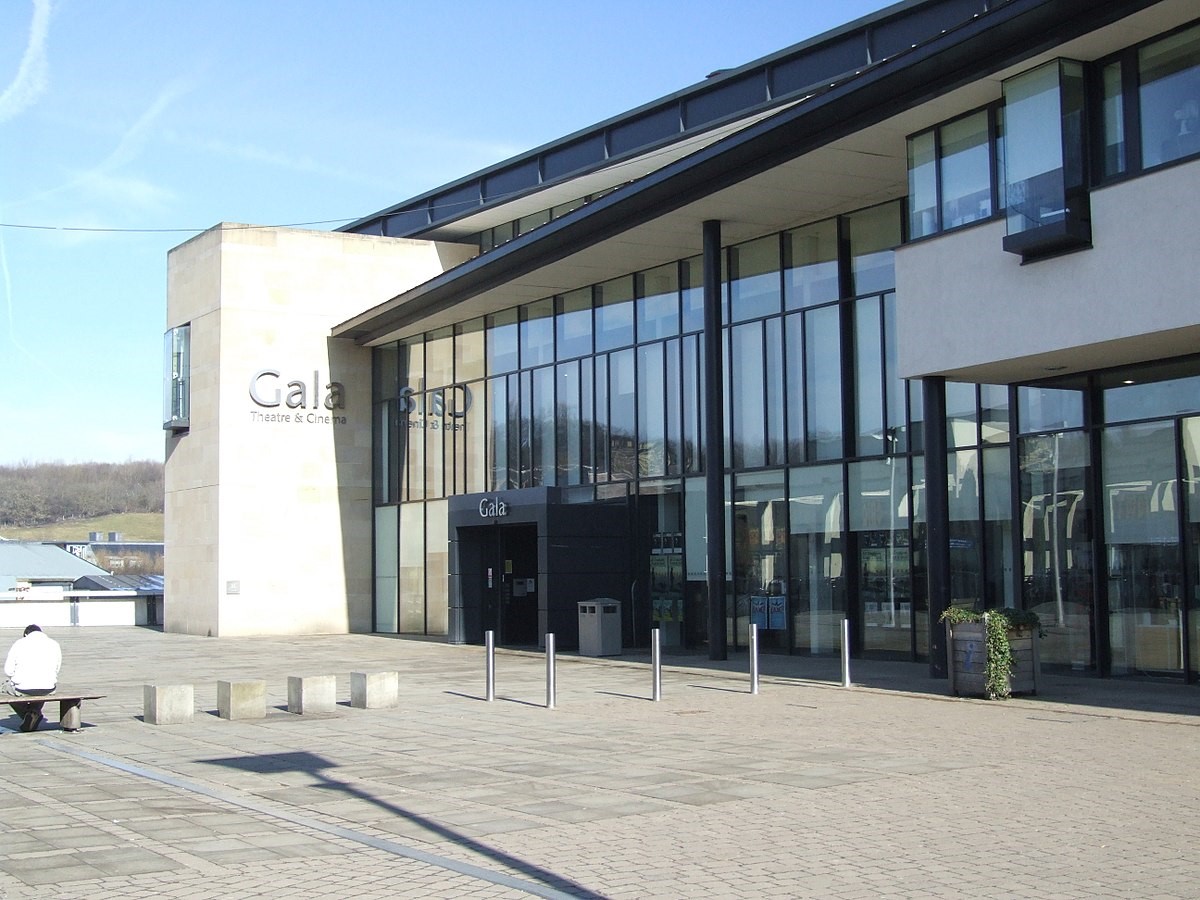
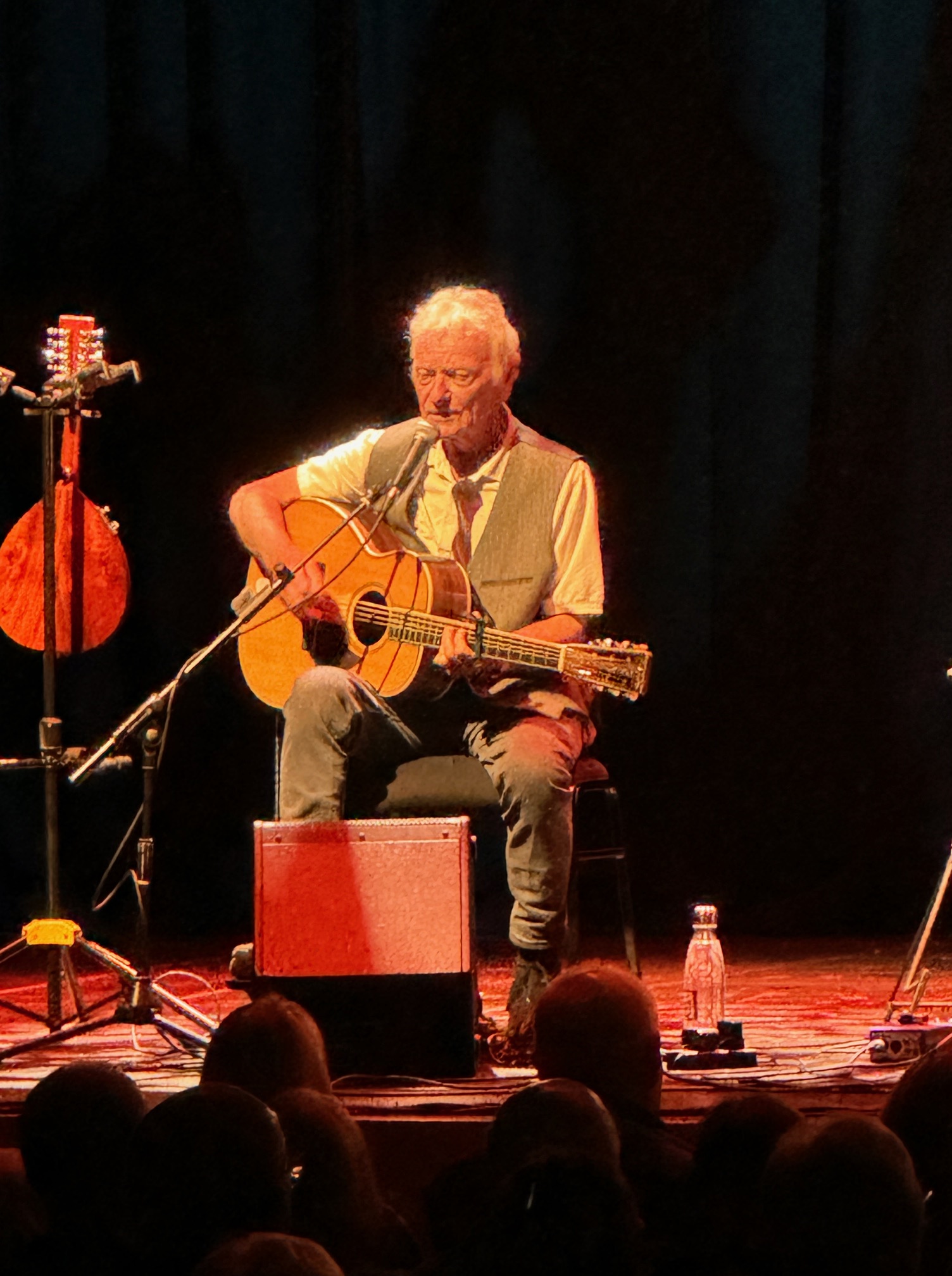 Jez Lowe’s songwriting shone brightly, with tracks like “Black Diamonds” reminding the audience of our coal mining roots. Billy Mitchell’s vocals and stage presence (remember this guy used to front Lindisfarne at one stage in his career) reminded me of when I last saw him perform at the Gala Theatre as part of the Lindisfarne Story, while Bob Fox’s excellent guitar work and Benny Graham’s rich, resonant voice completed the Pitmen Poets sounds and stories of times long past yet well remembered and implanted in our local heritage.
 One of the evening’s highlights was their rendition of “The Collier’s Rant,” a traditional Geordie folk song that had the entire audience joining in. Even more familiar, and fun, was their performance of “when the boat comes in” which they explained was not about coalmining but nonetheless fitted within the same genre. Another great singalong.
 The band explained that none of them had actually worked down the pit, but their close relatives (in most cases their fathers) had been pitmen. They went on to explain how they were of a generation whose parents said “You are not going down the pit like your Da, that life is not for you” (or something like that).
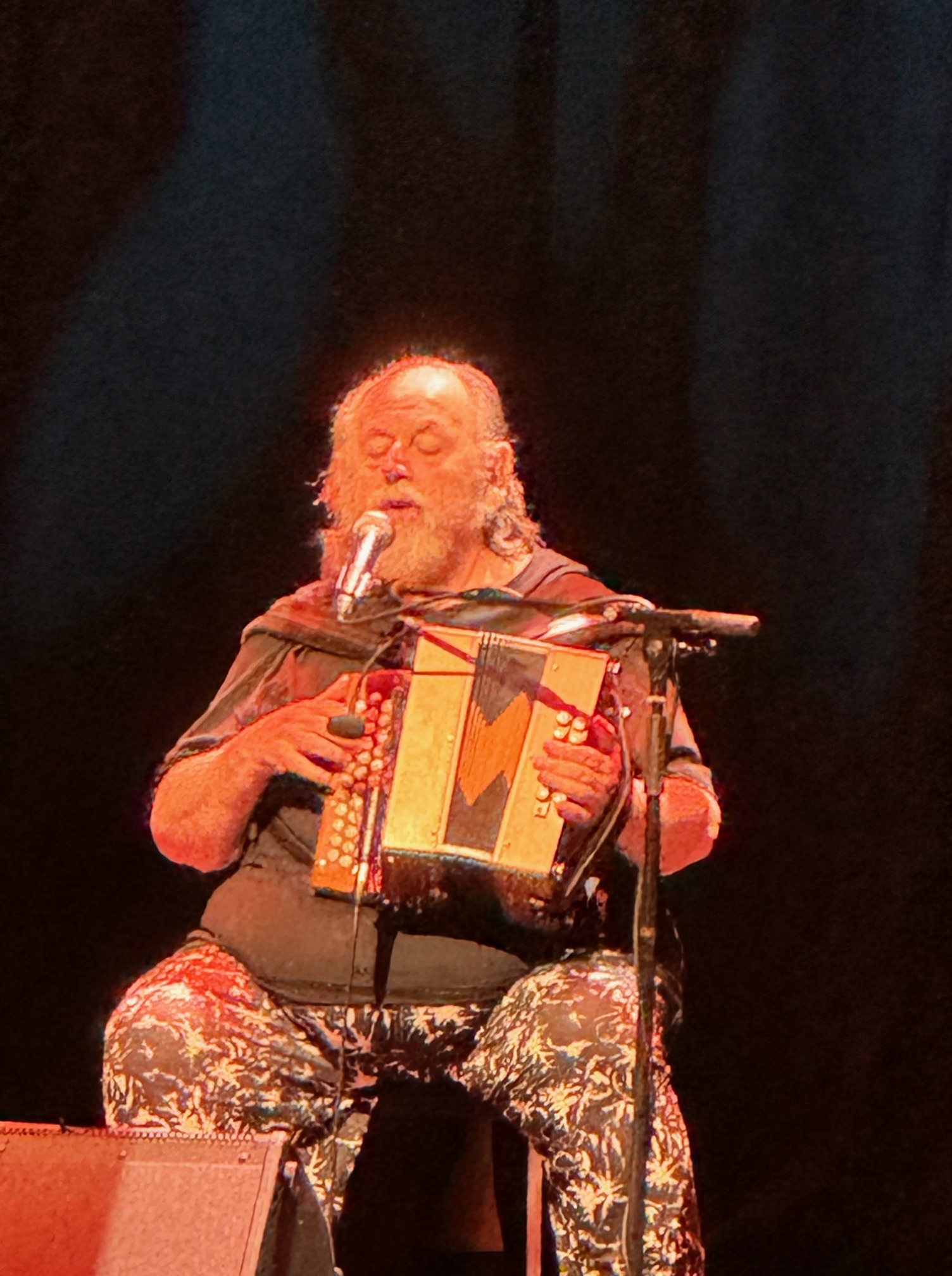 There were also visual elements to the show, including archival footage and photographs projected behind the band, bringing the history and stories of the miners to life. The Pitmen Poets’ performance was a memorable and moving tribute to our region’s mining history.
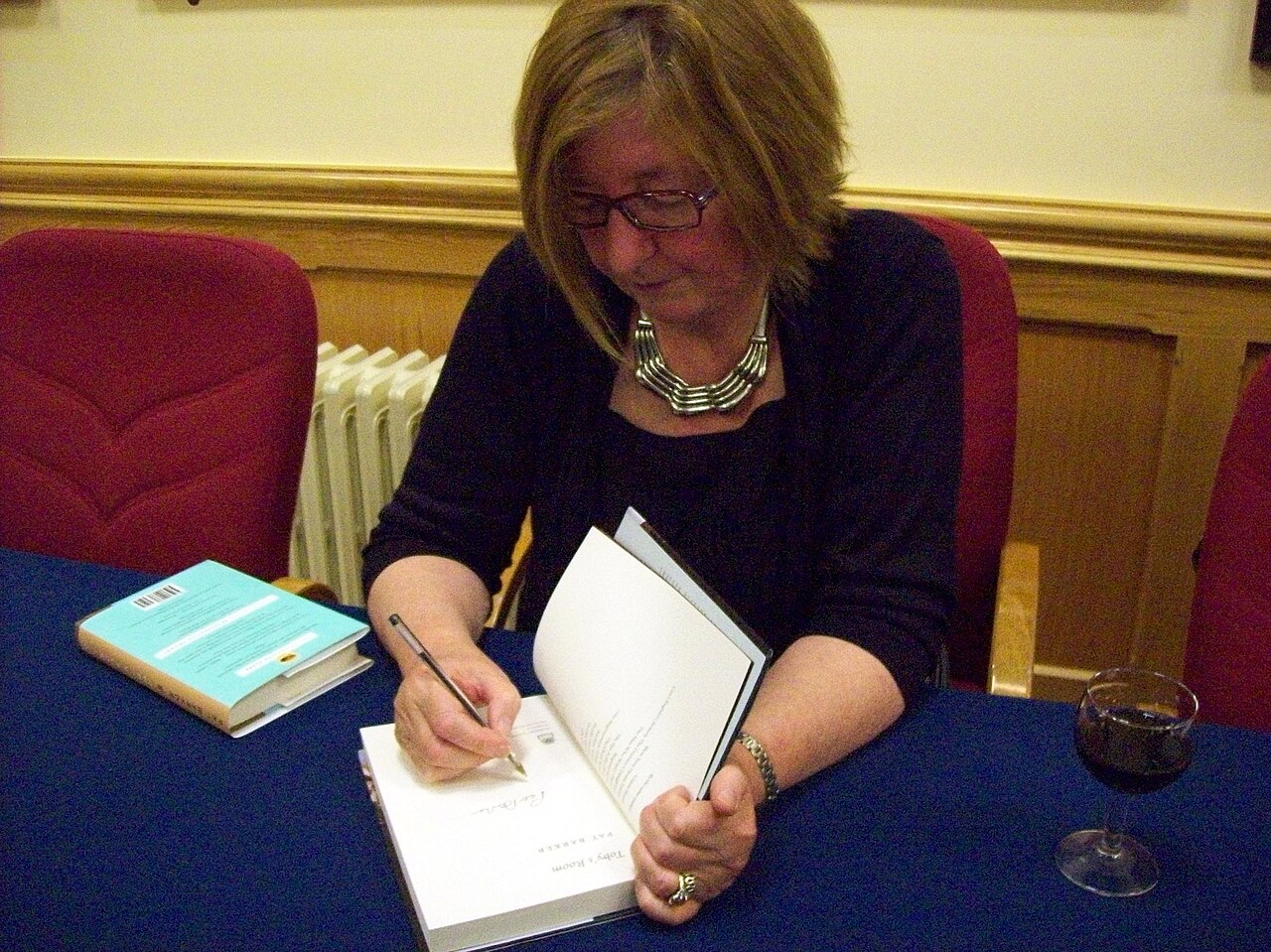
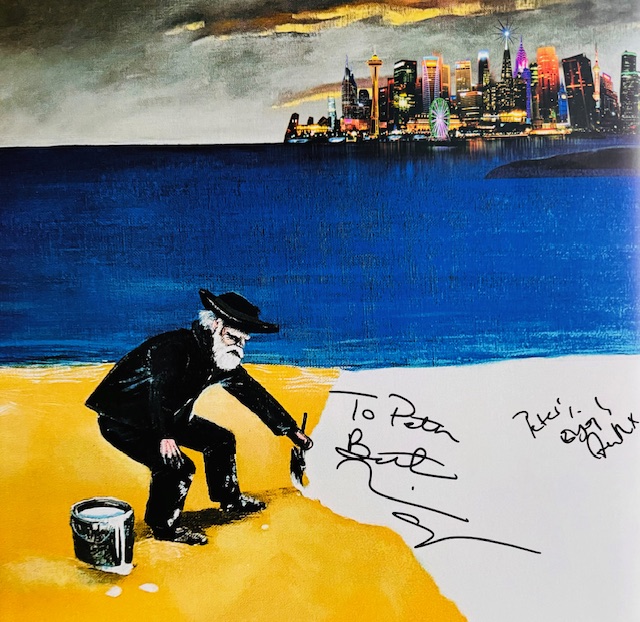
 I bought a signed book by Jez Lowe, his fourth novel. A quote from the rear cover text: “A 19th Century village in County Durham is blighted by an all-too familiar tragedy, an explosion down the mine, but this time with a curious twist that sends waves of surprise and confusion across the region. It is left to a newly arrived young policeman to solve the mystery, in the face of hostility from the mine-owners, suspicion from the miners and their families and an over-arching web of prejudice that reaches out from a distant foreign land.
 Only a scattering of odd characters and Tyneside eccentrics reach out to help him, along with a mysterious woman who captivates all those who come in contact with her.” Perfect! The rest of the band were also available to meet after the show.
 It does not seem a year since I last saw
  The Durham Launderette is a quirky, exquisite venue. It is by day an ordinary launderette, used by the public to bring along their bags of washing. By evening it transforms into an intimate venue, which hosts concerts by folk artists and others. It cannot hold more than 60 or so people.
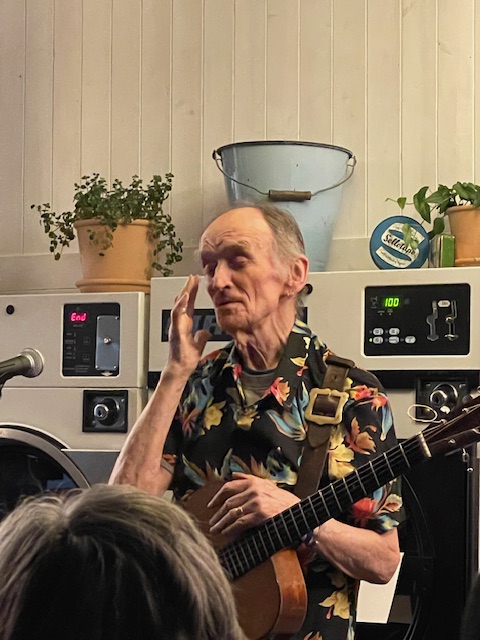 And so it was that my carer Jan and I joined a packed house of Carthy fans and devotees to see a folk legend in this lovely venue. He has built up a strong following who seem to know all his material and have become good friends of Martin.
 Each song comes from a poem, an old folktale, or an ancient ballad. He crafts each one carefully. He includes the traditional “Scarborough fair” which features on his first, early 1960s, album and was since made famous by Simon and Garfunkel.
 Many of the songs have become familiar to me from last time I saw Martin perform. I also bought a copy of his first album on eBay, and he kindly signed it for me (see picture). His set included at least two tracks from that album: “High Germany” and the aforementioned “Scarborough fair.” Other songs that I recognised from last year included “Napoleon’s Dream” a traditional song with a long, interesting history which Martin gladly related to us.
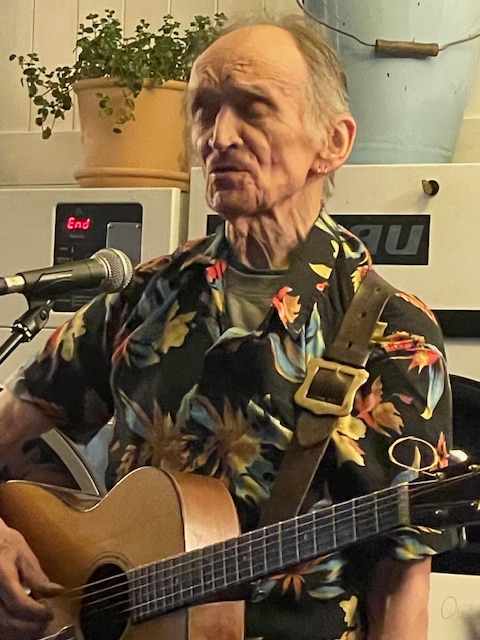 On a couple of occasions members of the audience assisted him in remembering the lyrics. This all added to the charm of the evening. It was very much a meeting of friends He continued into the night but sadly, our taxi was awaiting us, so we had to sneak out before the end, which was a shame. A wonderful evening, with the legend, folk singer, storyteller, and lovely gentleman that is Martin Carthy. Many thanks to Jan for the photos and Chris for manipulating the site as usual.
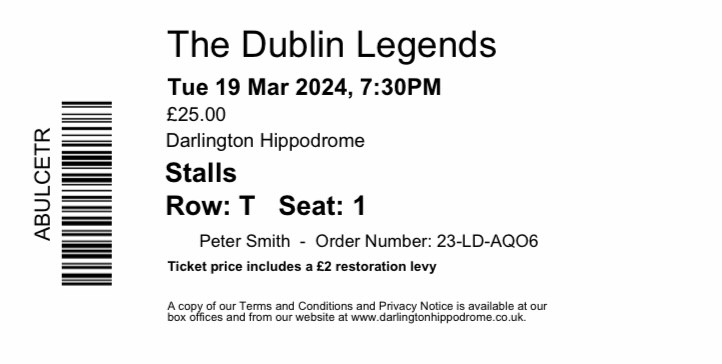 The Dubliners are, of course, a legendary band whose back catalogue is extensive and they have recorded many albums throughout their career. I saw them once at Newcastle City Hall with my daughter Laura and her friend and we all had a great singalong evening, along with the rest of the audience! Lots of fun, Irish humour and tremendous Irish tunes.
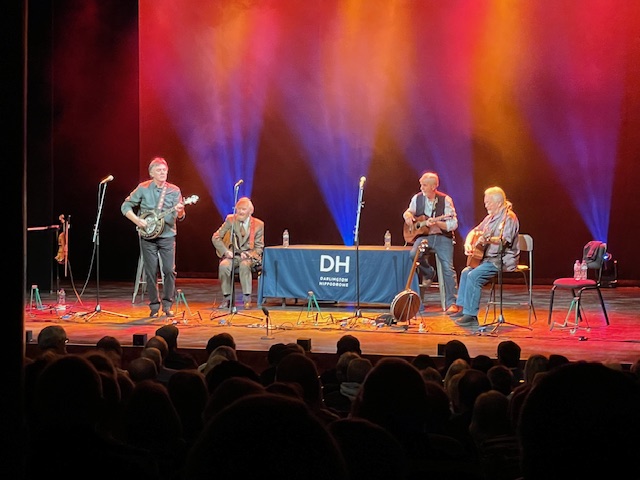 Unlike many other bands, when the last remaining original member sadly passed, the Dubliners felt it appropriate to rename themselves the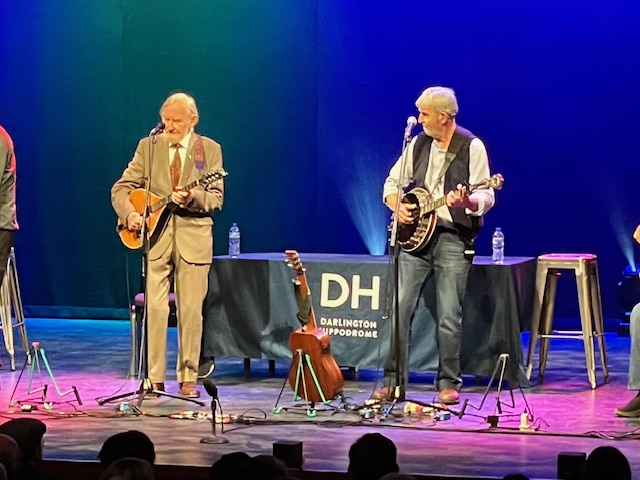
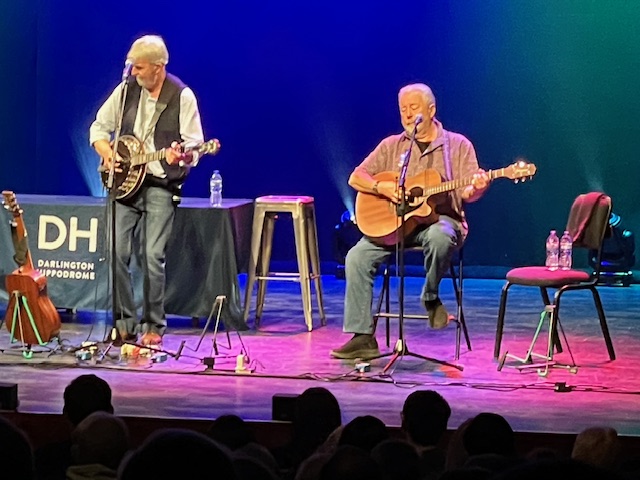 “Paul Watchorn, one of the best 5 string banjo players in Ireland, toured the world as a member of Derek Warfield’s Sons Of Erin for many years. During the bands 2017 tour of Holland Eamonn took ill and died a short while after the tour. Shay Kavanagh who had been filling in for Eamonn during previous tours came in to help out. Shay has worked with Mary Black, The Dublin City Ramblers & The Furey Brothers”
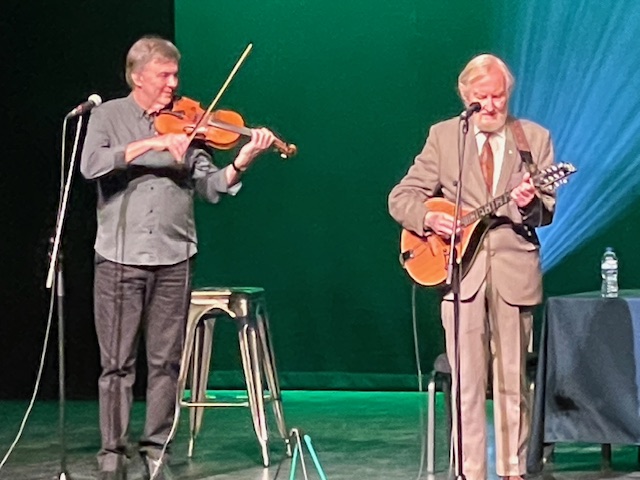 “In 2012 the Legendary Irish Folk group THE DUBLINERS celebrated 50 glorious years in the music business by receiving a Lifetime Achievement Award at the BBC Radio 2 Folk Awards and rapidly followed it up with a sell-out concert tour of the UK, the highlight of which was a magical night at The Royal Albert Hall in London. Sadly, however, they subsequently suffered a body blow with the sudden tragic death of founding member “Banjo” Barney McKenna.”
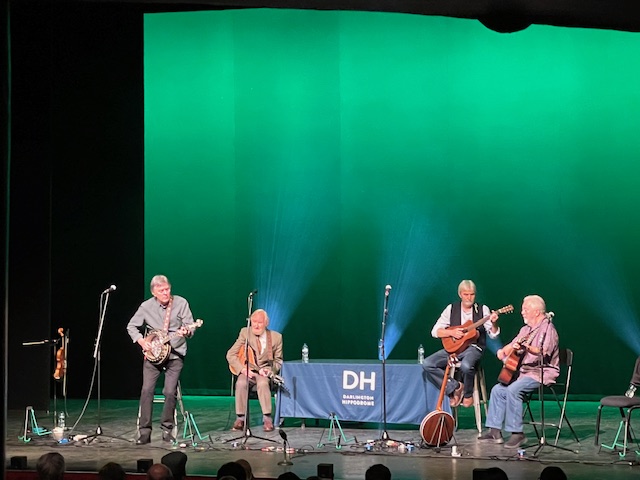 “Quite naturally this meant that the remaining members chose to sit down and decide upon the bands future. John Sheahan, after 48 years of touring, decided it was time to step off the tour bus and it was agreed that The Dubliners, as a touring band, would come to an end. THE DUBLIN LEGENDS were born. THE DUBLIN LEGENDS will continue the legacy started by Ronnie Drew, Luke Kelly, Ciaran Bourke, Barney McKenna & John Sheahan back in Dublin 1962. As Barney himself said “It’s Too Late To Stop Now”.”
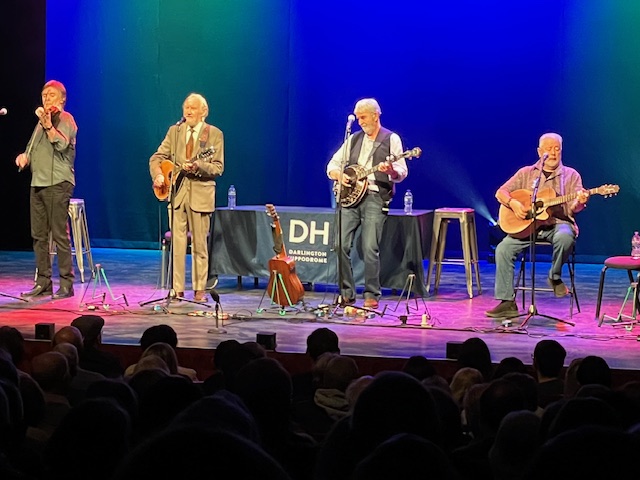 The Darlington Hippodrome is a lovely venue and we were seated, as usual, in a box towards the right and with an excellent view of the proceedings. The “lads”, as they call themselves on their website treated us to a couple of sets and a short interval during which I treated myself to a lovely cold pint of draught Guinness (well what else could I drink).
 Many years ago I was a Visiting Professor at Dublin Institute of Technology which is now the New Technological University of Dublin. I must have visited Dublin around 50 times over the years. I would take my little short flight from Newcastle airport to Dublin airport, courtesy of British Airways and latterly of Ryanair, arrive at my hotel, check in and then treat myself to a pint of Guinness. The bar tender would always let the Guinness stand and then when deemed ready to do so, they would top up the pint with a lovely white head and a shamrock placed on the top. Exquisite. This would be followed by an Irish whiskey and off to bed. Then in the morning a full Irish breakfast with egg, bacon, sausage, beans, black pudding and white pudding. I can even taste it now.
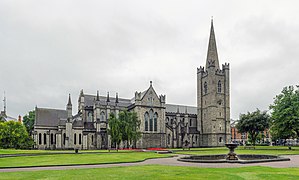 Then off to the college and meet the staff I was supervising for their PhD studies, another nice lunch with another pint of the black stuff, back to work and later in the day back on my flight home. Happy days. The graduation ceremony took place in the auspicious surroundings of Saint Patrick’s Cathedral. I had the honour of seeing my students graduate in the lovely surroundings of the cathedral (image courtesy of Wikimedia Commons).
 Changing the name of the band was a brave move, but does not detract in any way from the authenticity of this group of true Dublin legends. Lots of banjos, fiddles, acoustic guitars and lovely Irish voices all brought together in a highly enjoyable evening of Irish tradition. “As I went home on a Monday night, as drunk, as drunk can be…”, And so it went on….Time for another Guinness (picture courtesy of Wikimedia Commons).
 Another chance to see a band that is now becoming one of my regular concert experiences. I have seen
  The Fire Station website announced the concert thus: “Fairport Convention have been entertaining music lovers for over half a century, having formed in 1967. During that time, the band that launched British folk-rock has seen many changes, but one thing has remained the same – Fairport’s passion for performance. This year’s Winter Tour will present a mix of long-established Fairport favourites and some surprises from albums old and new. Fairport Convention have won a BBC Lifetime Achievement Award and Radio 2 listeners voted their ground-breaking album Liege & Lief ‘The Most Influential Folk Album of All Time’. Their story has been celebrated with television documentaries on BBC Four and Sky Arts. Featuring founding member Simon Nicol on guitar and vocals, Dave Pegg on bass guitar, Ric Sanders on violin, Chris Leslie on fiddle, mandolin and vocals. Fairport will be joined on stage by former member Dave Mattacks on drums.”
 Support came from the brilliant
 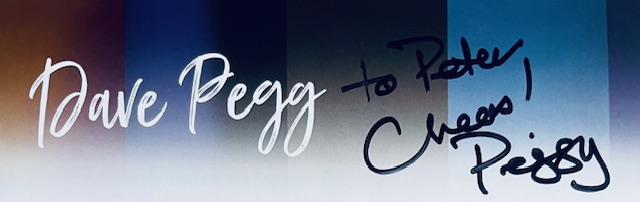 As we entered the venue I was pleased to meet up with several old friends who I have not seen for some time: three friends all called Ian who had come along together; Mike and Maureen; and Doug all said hello and we had a nice chat about old times. Jackie, Jan and I then headed for the merchandise stand where we were greeted by Dave Pegg who kindly signed programmes for me. Dave is, of course, the longest serving member of Fairport Convention having joined the band in 1970.
 After buying drinks (mine was a Guinness) we entered the hall to watch aforementioned support act PlumHall who come with much critical acclaim and were introduced by Fairport violinist Ric Sanders. The plaudits include:
 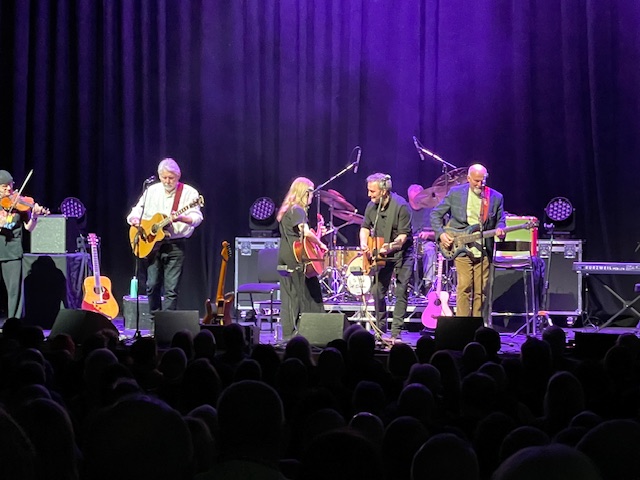 As is usual for a Fairport concert, the support duo performed for around 30 minutes and then were joined by the main act who performed a song with PlumHall, who then left the stage and Fairport opened their first set with the familiar old to “Walk Awhile”. Next up was a song which I have not seen the band perform for some time, the excellent “Genesis Hall”. The first set concluded with another familiar favourite, “Sloth”.
 During the interval I decided to partake in my current favourite tipple; a double espresso with a Jack Daniels shot. A lovely hit which kicked me into the second half of the show. As usual, the band told many comical stories to introduce their familiar, and some not so familiar, folkrock classics, closing with the traditional folk tale of the young “Matty Groves”. But we knew this would not be the end. Fairport returned, accompanied by PlumHall to perform the timeless singalong “Meet on the Ledge”. The female vocals provided by Michelle added to the authenticity of the song. Still magical after all these years.
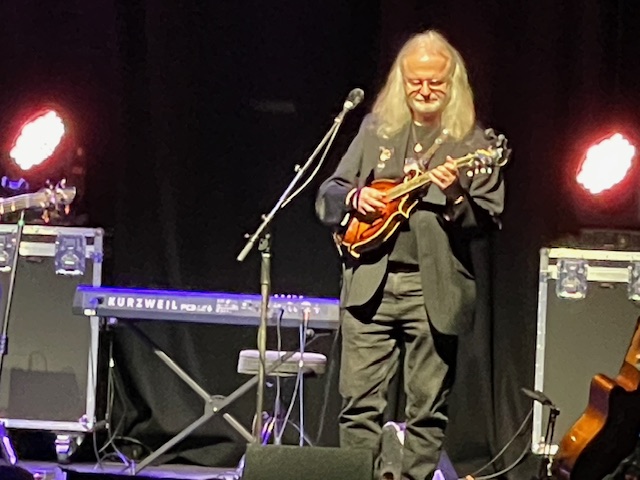 Another great performance by the true purveyors of folkrock. Thanks to Jackie for the photographs and Chris for manipulating the site.
 Set Two: Don’t Reveal My Name; The Happy Man; Crazy Man Michael; The Year of Fifty Nine; I’m Already There; Polly on the Shore; Steampunkery; The Hiring Fair; Matty Groves.
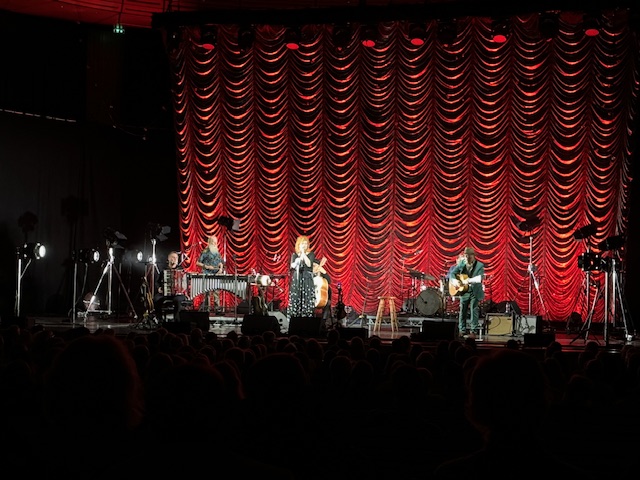
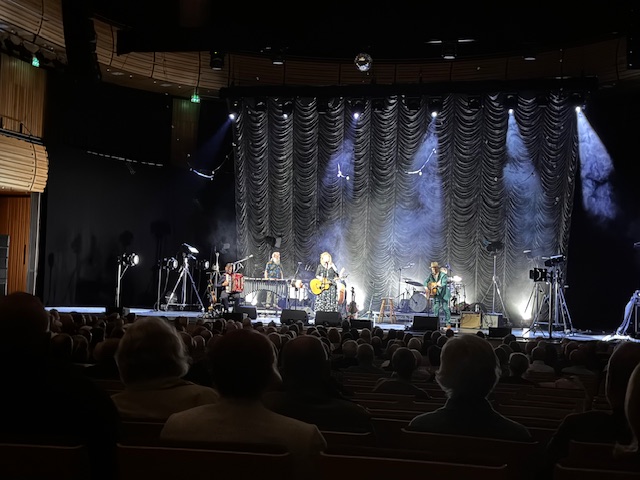
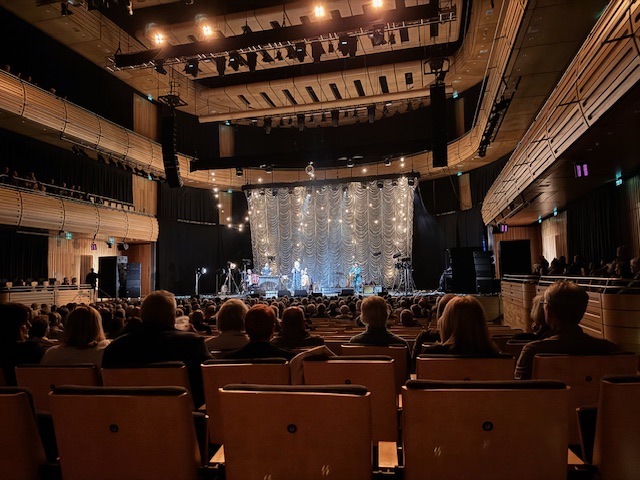
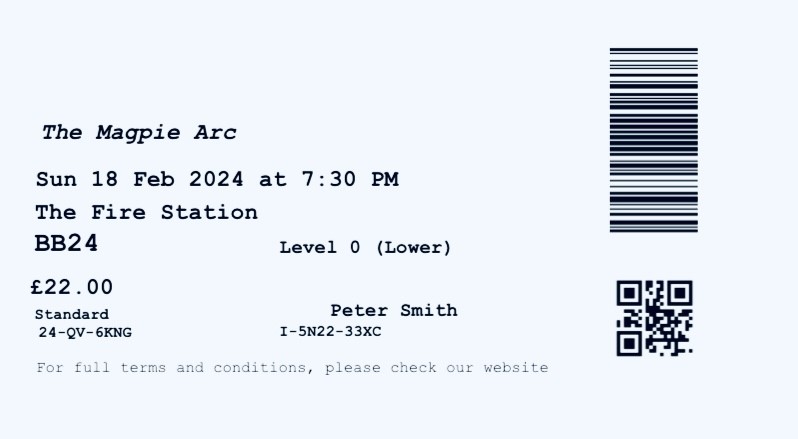 This is a new band who I have never seen before. Indeed, I had never heard of them until Chris suggested them to me, comparing their music with that of Fairport Convention. Intrigued I decided to go along and find out myself. Chris and Elaine both accompanied me to the concert.
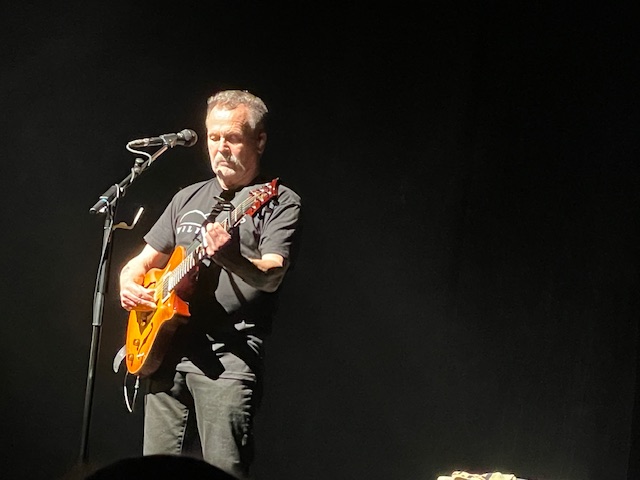 I have heard of Martin Simpson and Nancy Kerr but I have never seen them before. 1 of my friends, who loves acoustic guitar music, tells me that Martin Simpson is an excellent guitarist. So that further intrigues me and led me to attend the performance.
 The Fire Station website continues: “Formed from the idea of bringing together a group of established folk musicians who would mix their song-writing styles and musicianship in a full-on electric band to create exciting new music and update the classic 60’s and 70’s British folk/rock sound, the possibilities of The Magpie Arc being something special and unique on today’s folk scene became obvious very quickly. Having three strong writers the focus has naturally been on new material, however they’ve also tackled some great covers plus their own re-workings of traditional songs. There’s folk and rock, some country and even blues, but whatever the genre the band are already proving to be a musical mix of everything you could expect from such a line-up, with excellent songs, lush harmonies, powerful electric guitars, gorgeous fiddle lines and rock solid bass and drums.”
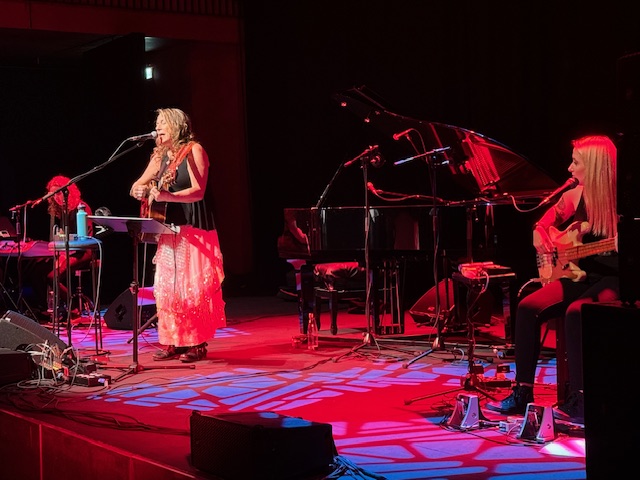
 The concert was excellent with a mixture of traditional folk songs song performed by individuals and others by the entire band. Martin Simpson is an excellent electric guitarist, Findlay Napier provided some great songs, several with a country influence and Nancy Kerr sang lovely traditional folk music accompanying herself on violin.
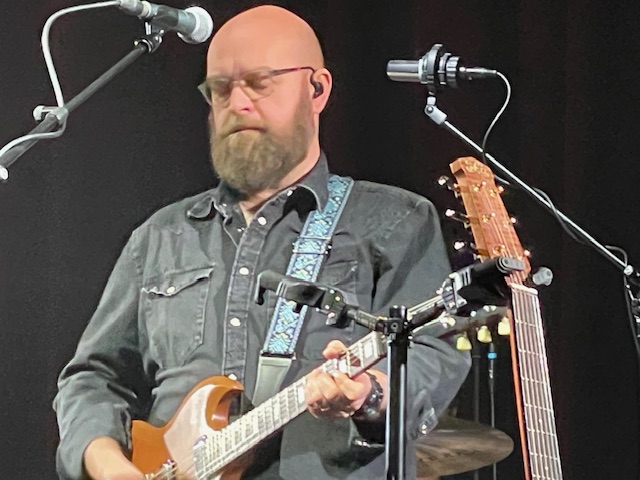 They reminded me of a much more electrified version of Fairport Convention. I once saw Fairport Convention in the early 70s and at the time they were very loud and electric. This was the sort of music that The Magpie Arc reminded me of as characterised by the quotes below:
 Many thanks to Chris and Elaine for the photographs. I also purchased an album which Martin and Findlay kindly signed (see image)
 Vintagerock's Weblog.