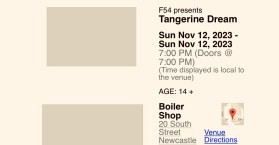
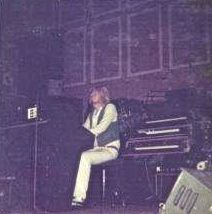
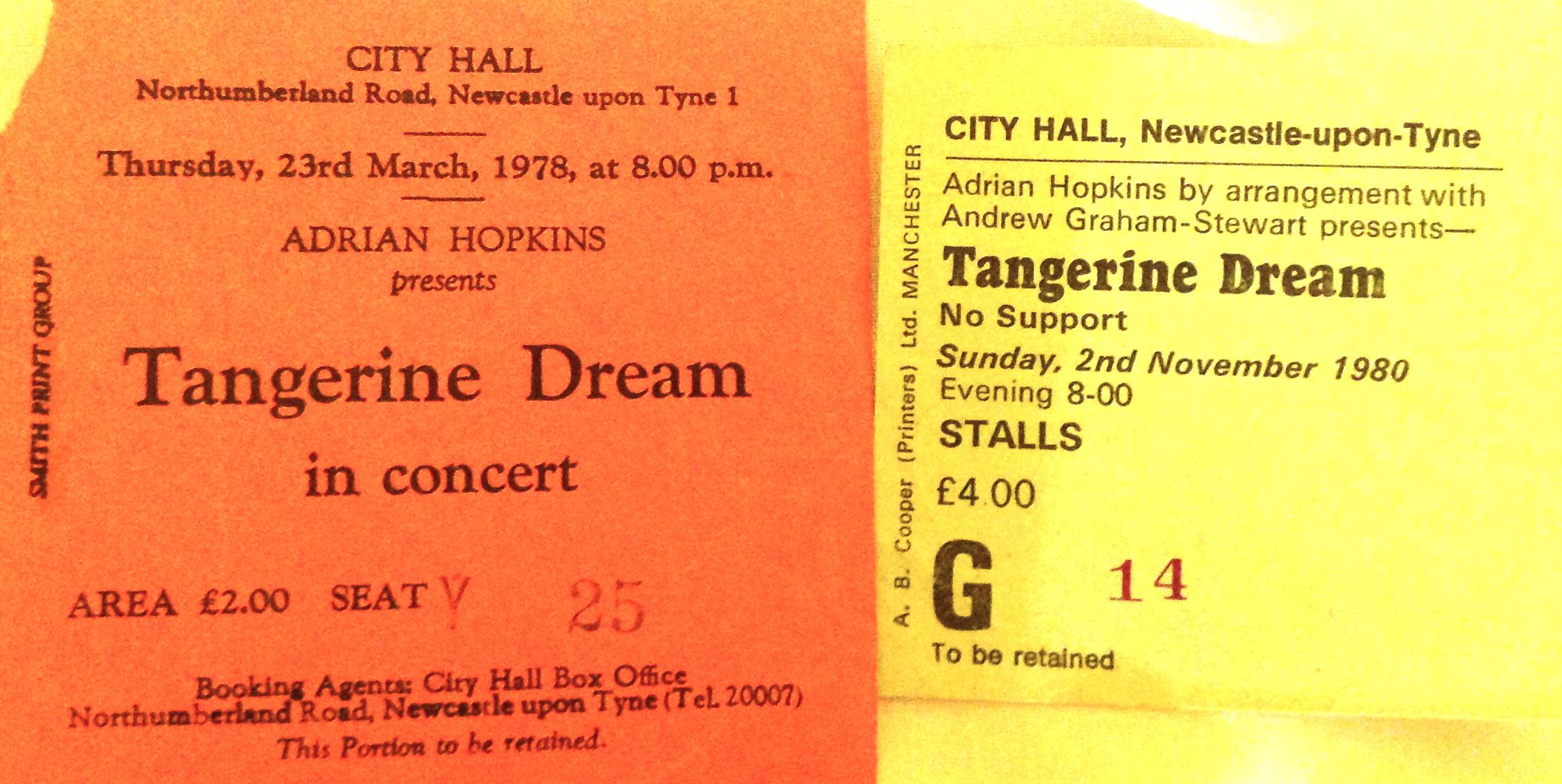
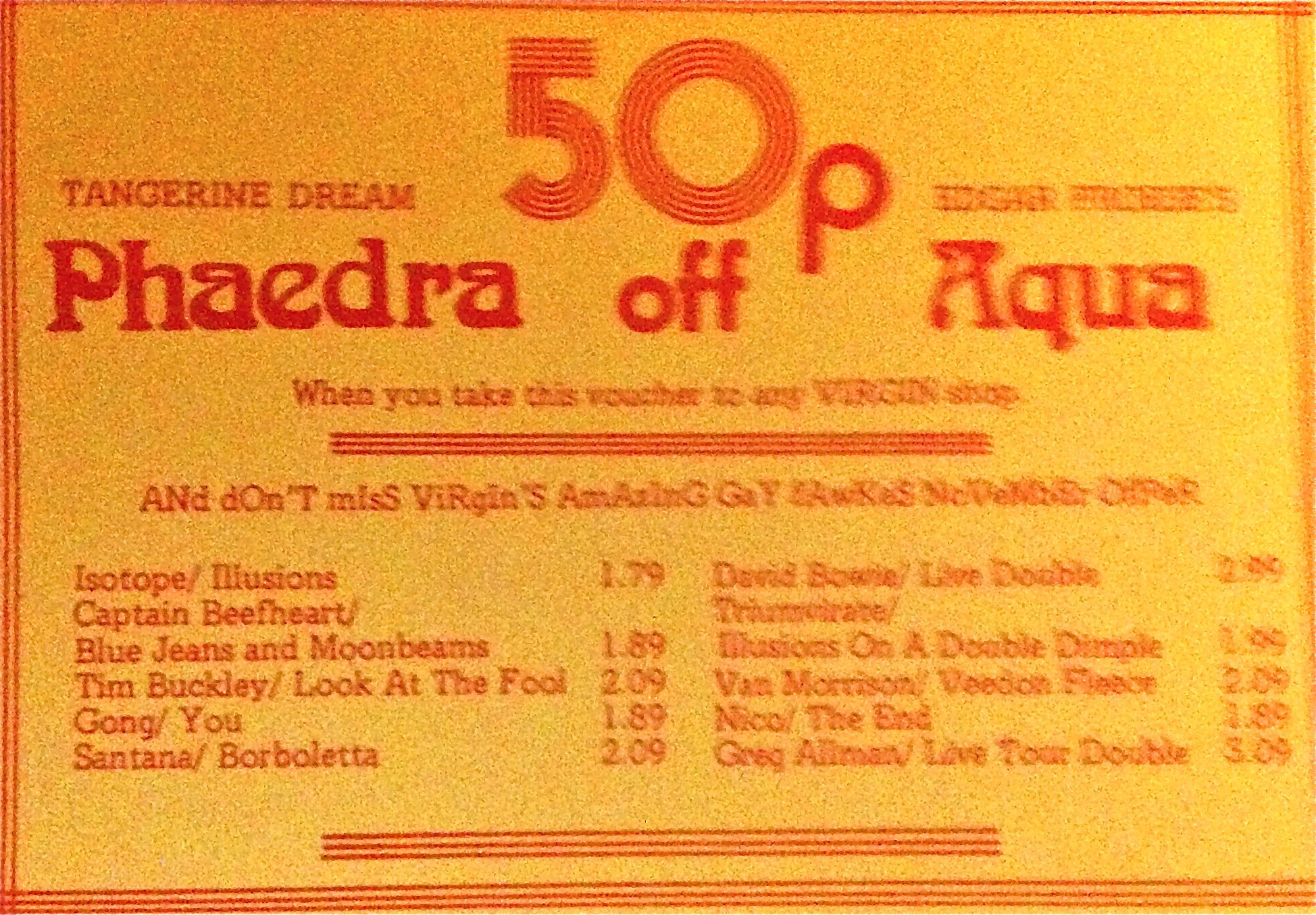
 It is almost 50 years since I last saw Tangerine Dream at Newcastle City Hall. I saw them twice during the early to mid 1970s. They had recently released their highly successful Virgin records album Phaedra , which was a seminal record in the history of Psychedelic /Trance /Dance music. I recall those concerts well. The 1st time I saw them with my friend Norman, we were amazed and bemused by strange electronic soundscape that we were presented with. The 2nd time, which came shortly after our 1st experience, the band played from behind a black net curtain appearing only as silhouettes and shadows. Very strange. I have lost touch with them since then.
 Tangerine Dream were the forerunners of many electronic bands who followed: Kraftwerk, Jean Michelle Jarre, Orchestral Manoeuvres in the Dark and many many more. The Boiler Shop website described them well: “Some bands pioneer a genre, a few acts transcend codification, and the rarest of groups defy classification altogether. Tangerine Dream managed all three. Founded in 1967 by Edgar Froese in Berlin, the group established themselves with their groundbreaking 1974 album Phaedra which became a milestone in electronic music history. Over the last 53 years, Tangerine Dream released more than one hundred albums. Their early “Pink Years” albums had a pivotal role in the development of Krautrock. Their “Virgin Years” – such as Rubycon and Force Majeure albums helped define what became known as the Berlin School of electronic music.”
Edgar Froese sadly passed away some years ago but the band continues with the same ethos, values and soul. The current members are (from the official Tangerine Dream website):
 “Thorsten Quaeschning is a Berlin-based and classically trained musician and composer, has been a longtime member of Tangerine Dream since 2005, which makes him the second longest serving member in the band’s history. In 2013, two years before Edgar Froese’s death, he put him in charge as the Musical Director of the band. Thorsten composed and played on more than 70 Tangerine Dream albums over those years including the successful studio album Quantum Gate on the basis of Edgar Froese’s musical sketches – released in 2017 and nominated for the Progressive Rock Award.”
 “Hoshiko Yamane is a Japanese Berlin-based classically trained violinist and composer. She has been a member of Tangerine Dream since 2011. After she graduated with the Master of Fine Arts in Japan, she moved to Berlin. She also graduated with a diploma in violin from the University of Music and Theater in Rostock, Germany. During her study she performed with the Brandenburgisches Staatsorchester. Hoshiko already collaborated with many renown international artists like Jane Birkin i.e. In 2013 she started her first electronic solo project (Tukico) and in 2017 she released her first solo album A Story Of A Man.”
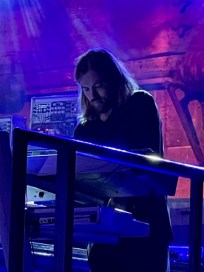 “Paul Frick was born in 1979 in Berlin. He took composition classes since the age of twelve with Il-Ryun Chung. Paul Frick joined Tangerine Dream in 2020. From 2000 to 2008 he studied composition with Friedrich Goldmann at Universität der Künste Berlin. Together with Daniel Brandt and Jan Brauer he forms the group Brandt Brauer Frick. In August 2018 Paul Frick’s solo debut album Second Yard Botanicals appeared on Apollo/R&S Records.”
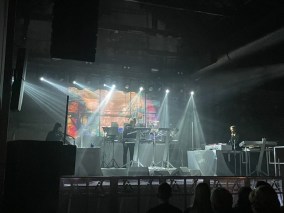
So, it was this new reinvigorated Tangerine Dream that I witnessed at Newcastle boiler shop the other night. The venue was packed with a mixture of fans across many different age ranges. This band obviously commands the respect of many. The stage was set, all in pure white, centre – stage a set of synthesisers complete with flashing lights, wires, volume and other knobs and controls, and a large keyboard out in front. To the left a small table with a computer and room for Hoshiko to play her violin, and to the right another white keyboard at which Paul Frick stood. Thorsten stood centre stage directing the proceedings.
 Shortly after 8 PM the music started. The band, no longer pure white, were enveloped in a series of lighting effects; behind them images and Liquid Lens type psychedelic swirling movements on screen. The Boiler Shop is the perfect venue for the band and their soundscapes. It is the original factory/workshop in which George Stephenson built his groundbreaking locomotives (see image). The metallic open space seemed very fitting for the electronic and trance sounds which soon drifted around the room. Each song merged into the next, the lights and imagery were stunning as was the electronic music. I enjoyed it much, much more than I expected. This was Tangerine Dream reborn, reimagined and rejuvenated.
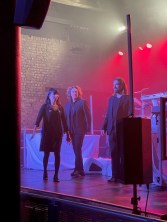 Many thanks to Jan for the photography, Chris for the manipulation of the site and Elaine for accompanying me to the concert. Tangerine Dream continue to explore further into the magic of electronic instruments, augmented by soaring violin and accompanied by the very appropriate 1970s visuals. Magical.
Setlist (something like this!): Dolphin Dance; Continuum; Betrayal; Raum; Love on a Real Train; You’re Always on Time; It Is Time to Leave When Everyone Is Dancing; Portico; Mothers of Rain; Choronzon; Los Santos City Map; Stranger Things; White Eagle; Phaedra; No Happy Endings.
Encore: Session



 Vintagerock's Weblog.